A Kyiv couple stage a socially charged exhibition in South Florida as their Voloshyn Gallery back home becomes a bomb shelter.
from Art Life Culture https://ift.tt/vApiwGz
via IFTTT

Expert insights on strategic partnership, leadership, deal negotiation, and relationship management across the sports, media, and tech industries.
Monday, February 28, 2022
Treasured Paintings Burned in Russian Invasion, Ukrainian Officials Say
Roughly 25 works by the painter Maria Primachenko were destroyed at a museum in Ivankiv, Ukraine’s Ministry of Foreign Affairs said.
from Art Life Culture https://ift.tt/5woWgOy
via IFTTT
from Art Life Culture https://ift.tt/5woWgOy
via IFTTT
Russian Artists Speak Out Against War, but Fear Reprisals
Two Russian artists have pulled out of the Venice Biennale and thousands are signing antiwar petitions.
from Art Life Culture https://ift.tt/0WvnGs8
via IFTTT
from Art Life Culture https://ift.tt/0WvnGs8
via IFTTT
Kandinsky Painting Returned to Jewish Heirs by Amsterdam Museum
Dutch officials, citing their “moral duty,” gave over the work which had been held by the Stedelijk Museum since 1940.
from Art Life Culture https://ift.tt/eAH1NyK
via IFTTT
from Art Life Culture https://ift.tt/eAH1NyK
via IFTTT
Free Coloring Books from 101 World-Class Libraries & Museums: Download and Color Hundreds of Free Images

The free, downloadable adult coloring books that the New York Academy of Medicine solicits from museums and university and state libraries for its #ColorOurCollections celebration each February enliven our month far more than any Valentine or Presidents Day sale.
They’re not just a great way to while away winter’s last gasp. They’re also a wonderful portal for discovering cultural institutions that have thusfar flown beneath our radar, owing to size, geography, and/or field of study.
It’s up to each institution to determine what – and how much – to include.
Some color inside the lines by sticking to the subject for which they’re best known. Most take more of a mixed bag approach, flinging a variety of fascinating, unrelated images at the wall and seeing what sticks.
Some offerings are but a single page. Others will have you wearing your crayons to nubs.
With 101 participating organizations, it can be difficult to know where to start.
Maybe we can help…
Is medicine your thing?
If so, you’re in luck. By our reckoning, that’s the most popular subject, though it spans a broad range, from line drawings of flowering medicinal plants and a reproduction of a 1998 American Society of Anesthesiologists coloring book for pediatric patients, to flayed cadavers and harrowing surgical vignettes from centuries gone by.
The pages below come compliments of Stanford Medical History Center’s Lane Library, McGill University’s Osler Library of the History of Medicine, and Truhlsen-Marmor Museum of the Eye, the only free, public museum dedicated to the fascinating science of sight.
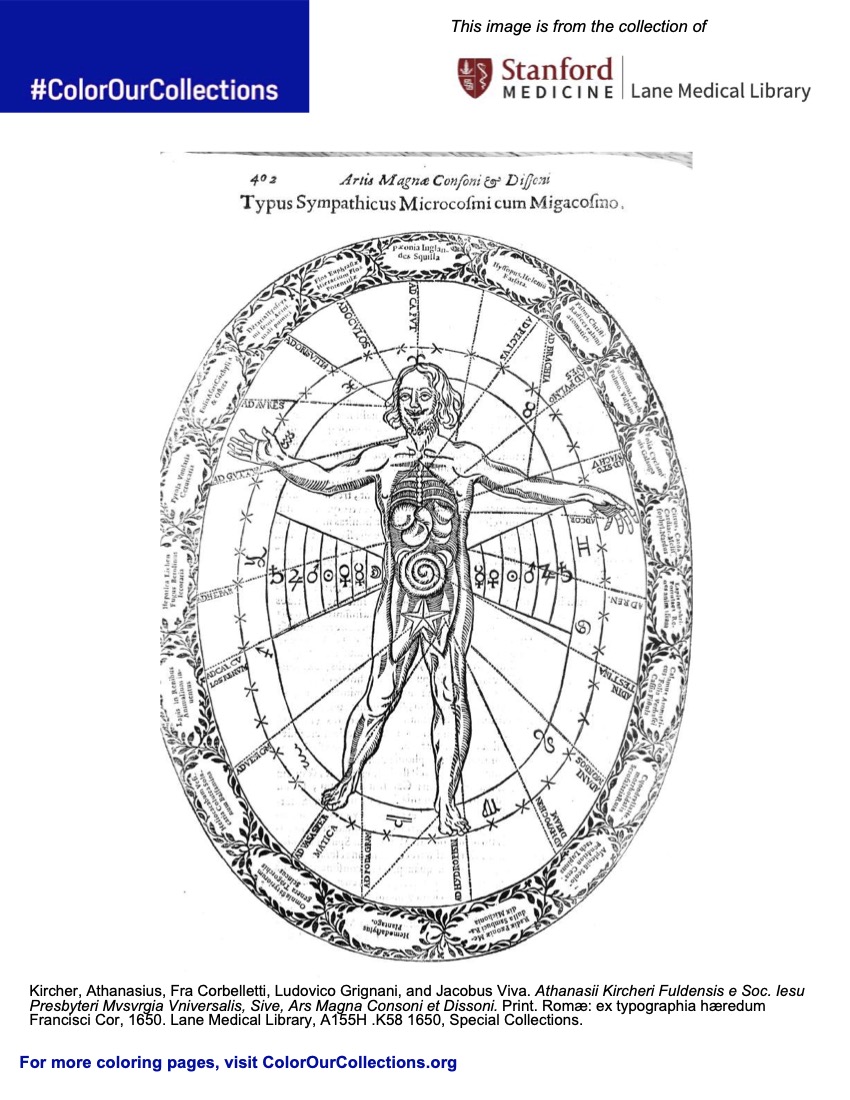
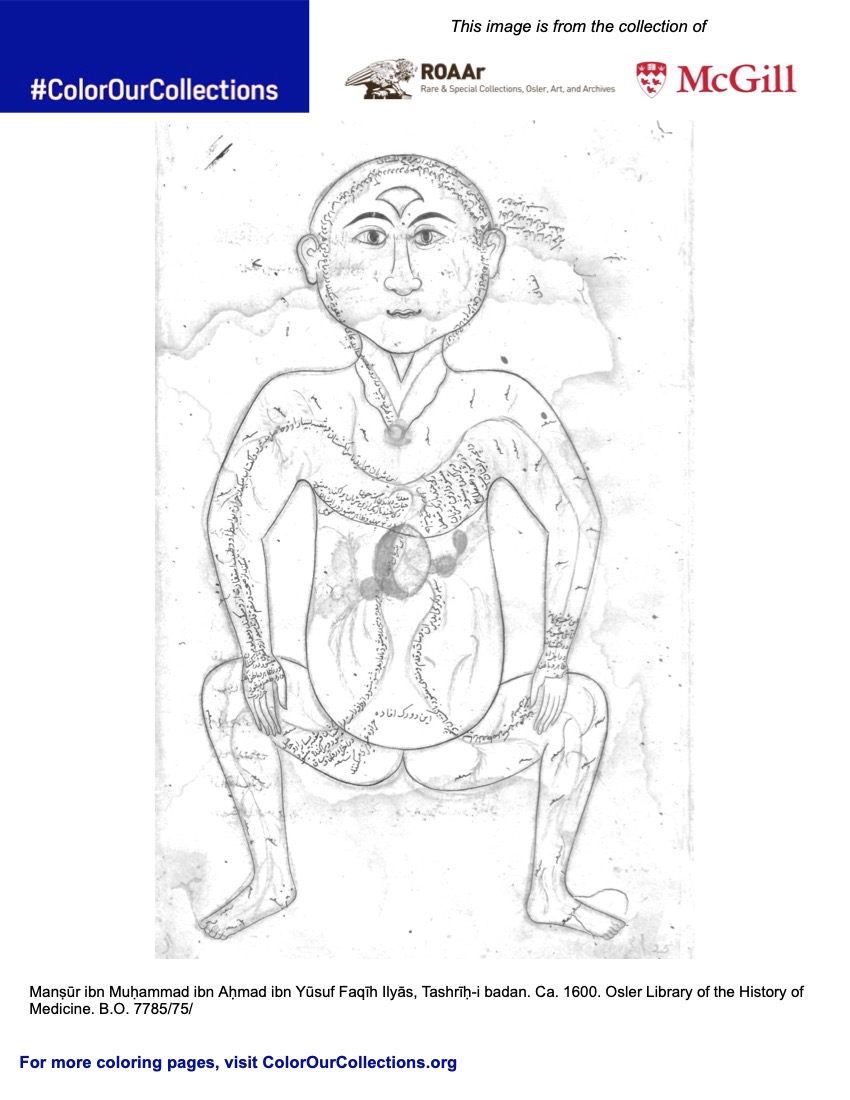
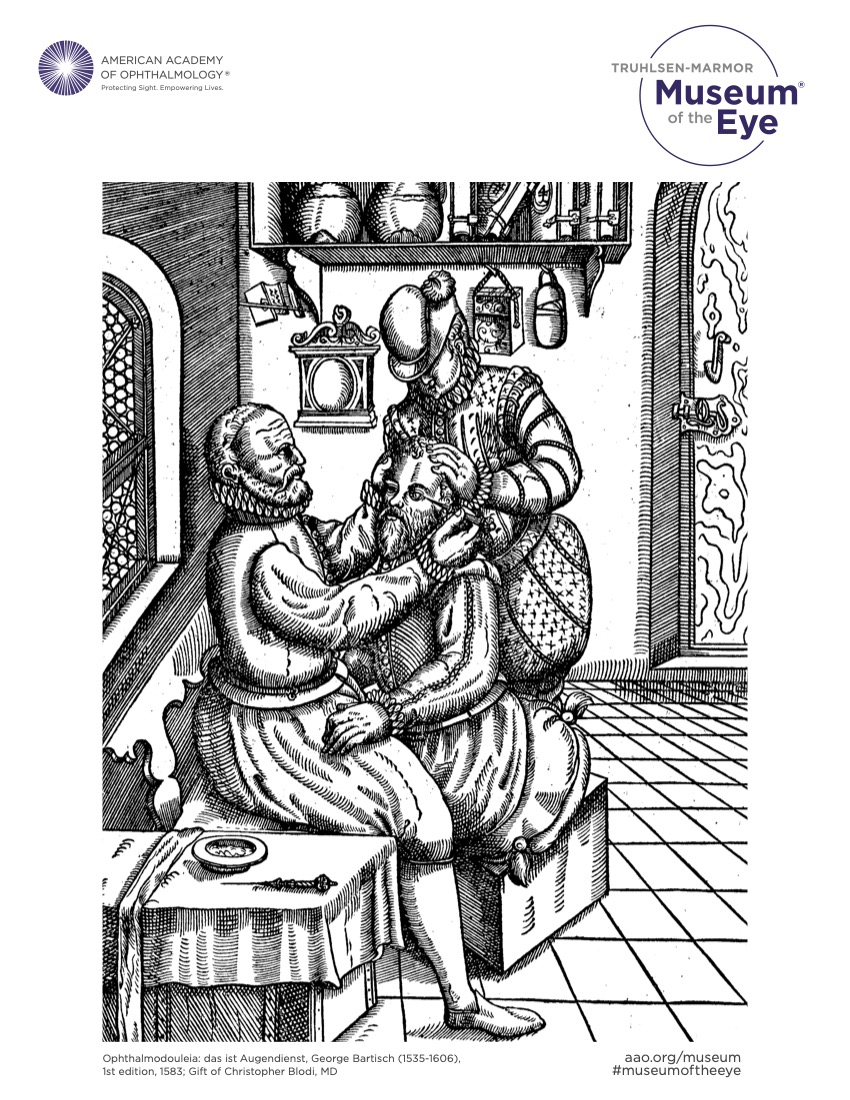
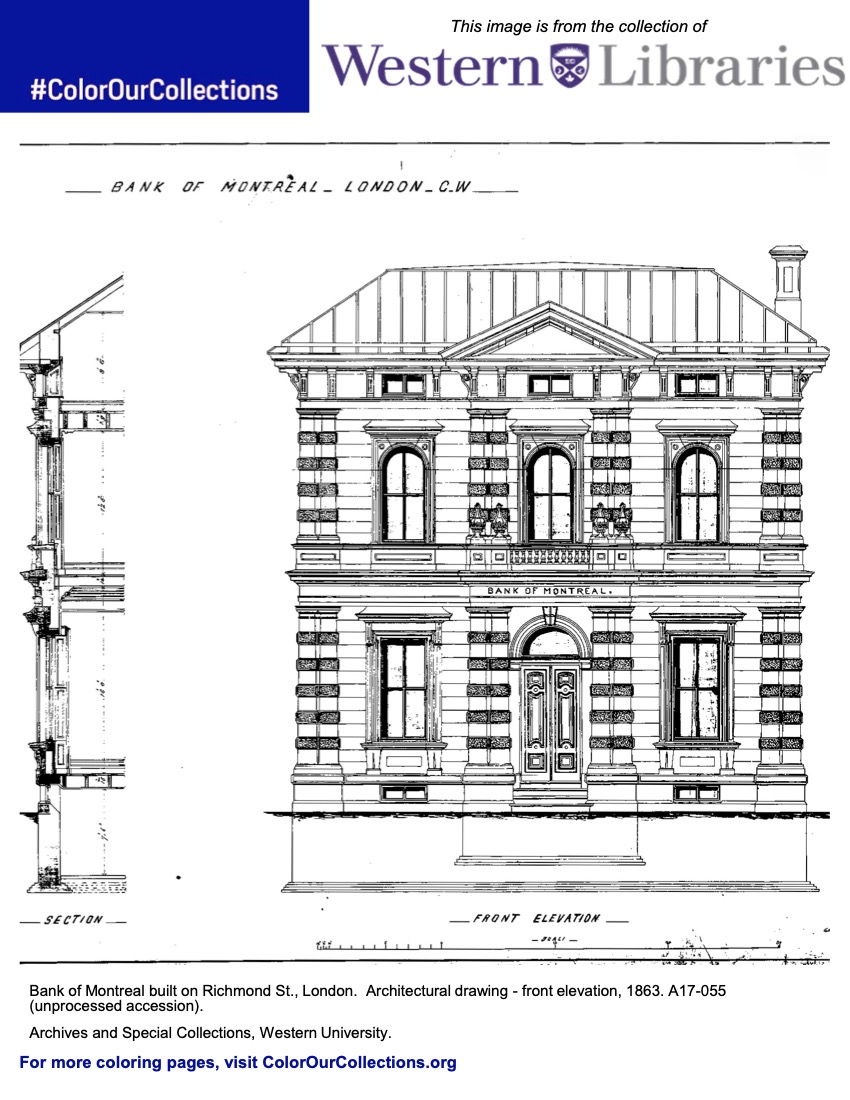
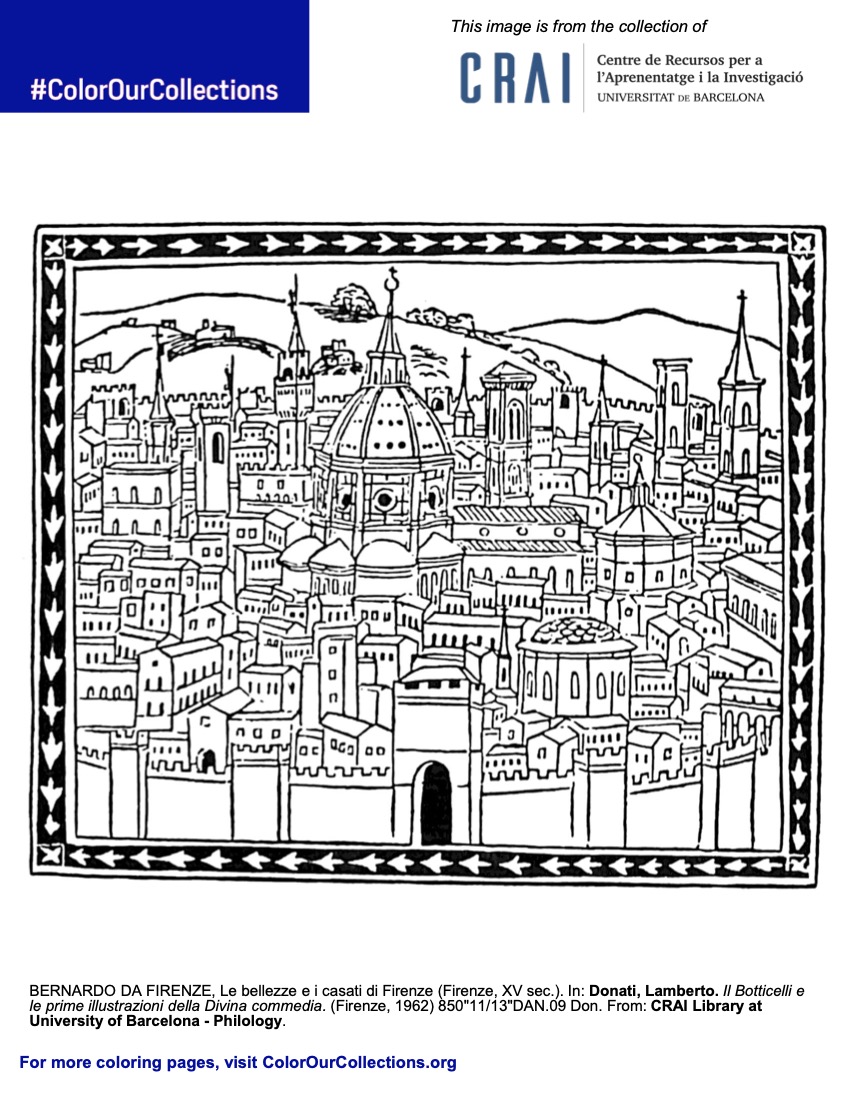
Is architecture more your area of interest?
Glessner House, Western University, and the University of Barcelona have plans for you!
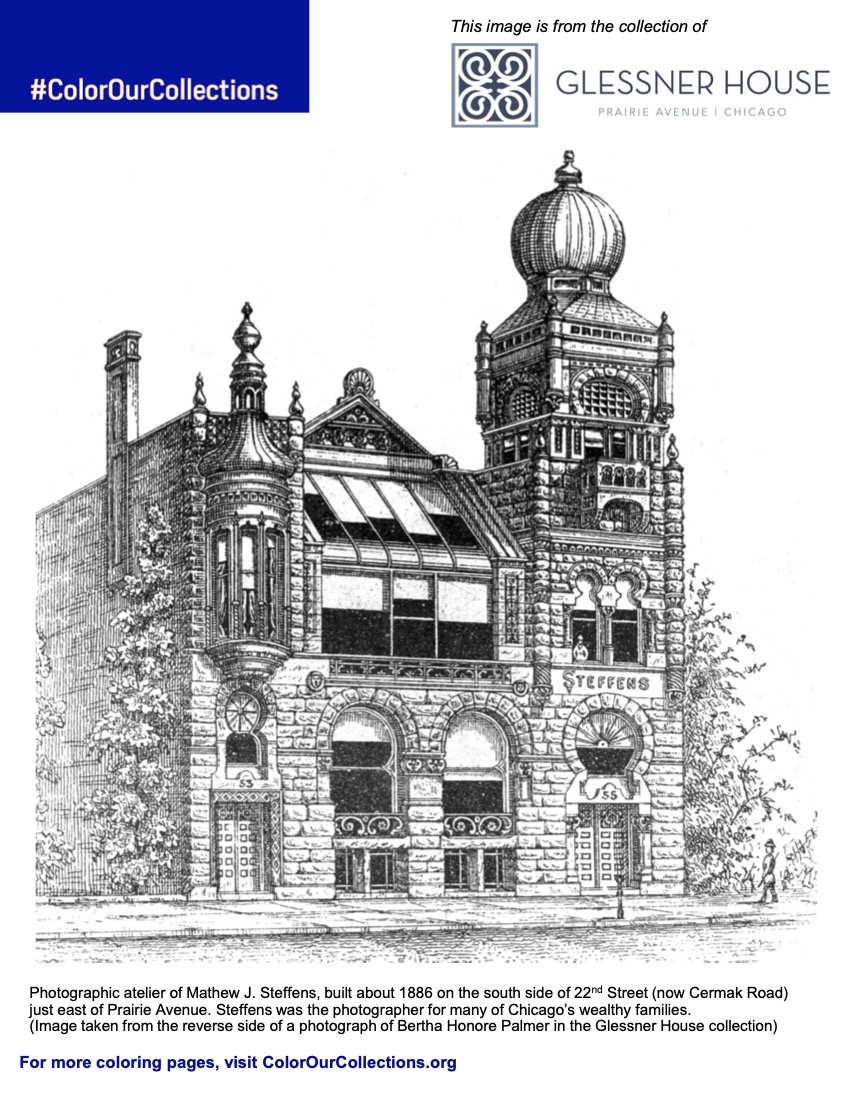
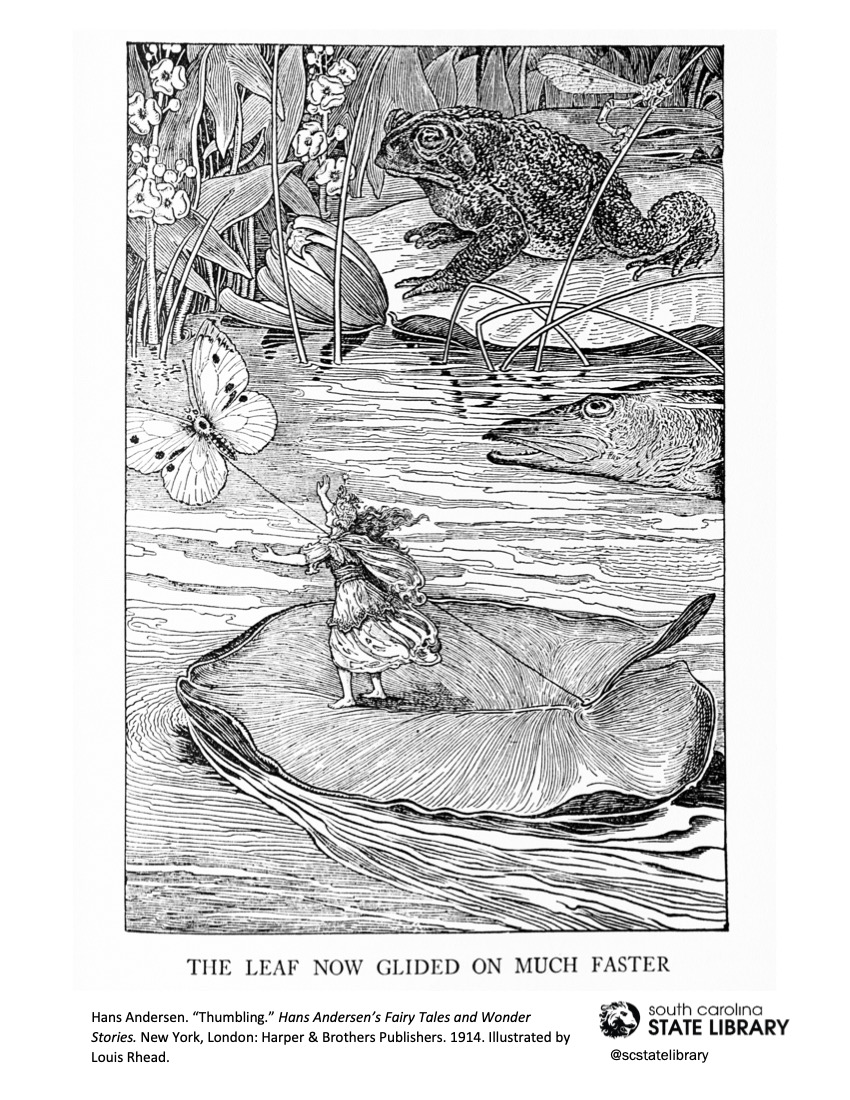
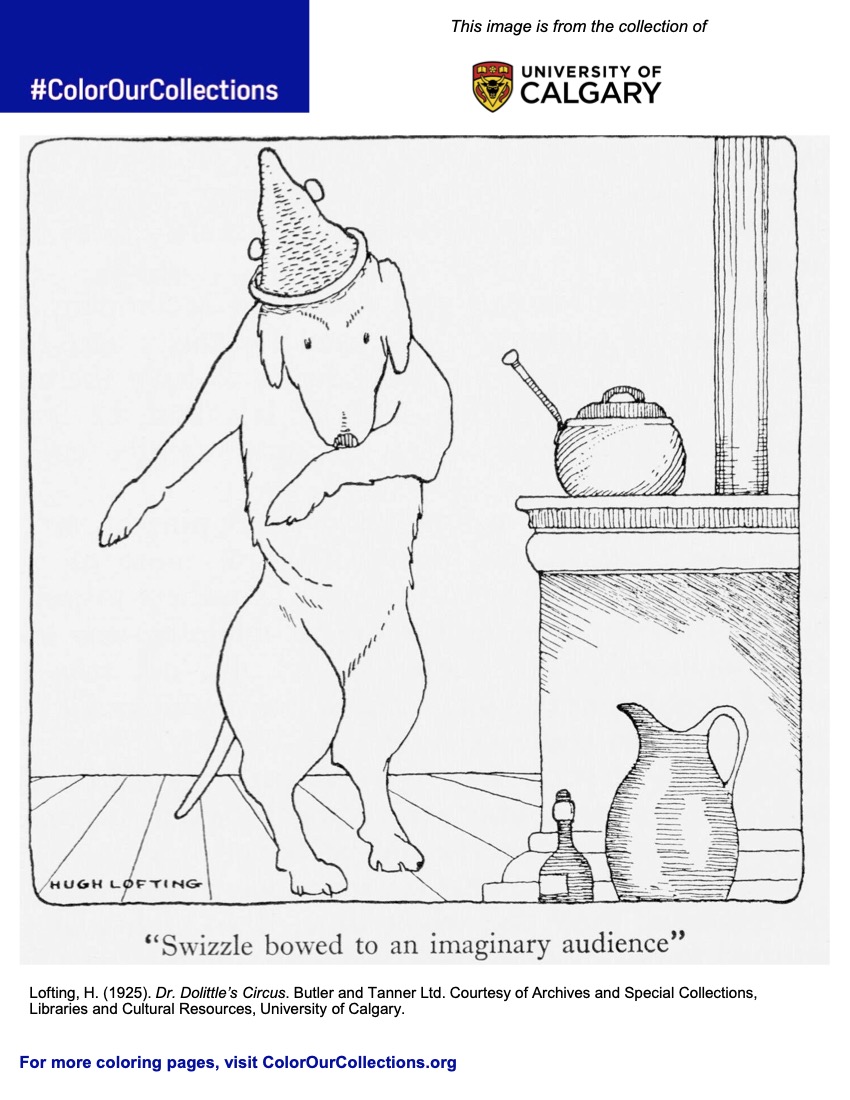
Does coloring make your nostalgic for childhood?
The South Carolina State Library, the University of Calgary, and the University of Wisconsin-Milwaukee have you covered with charming illustrations from Hans Andersen’s Fairy Tales and Wonder Stories, Dr. Dolittle’s Circus, and Heroes of the Kalevala
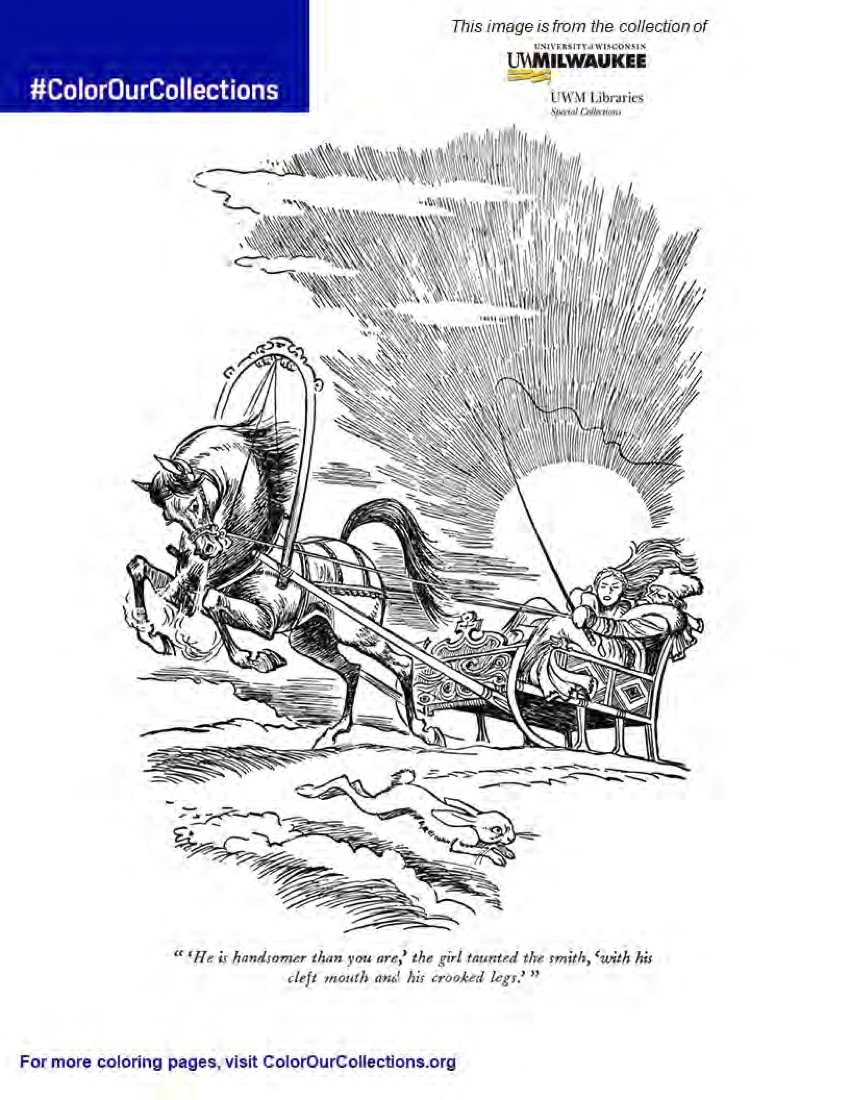
Do you have only a few minutes to spare…or a preschooler in need of simpler graphics?
We get it, and so do the Université Toulouse Jean Jaurès, the Bibliothèque municipale de Soissons, and the Harvard Art Museums.
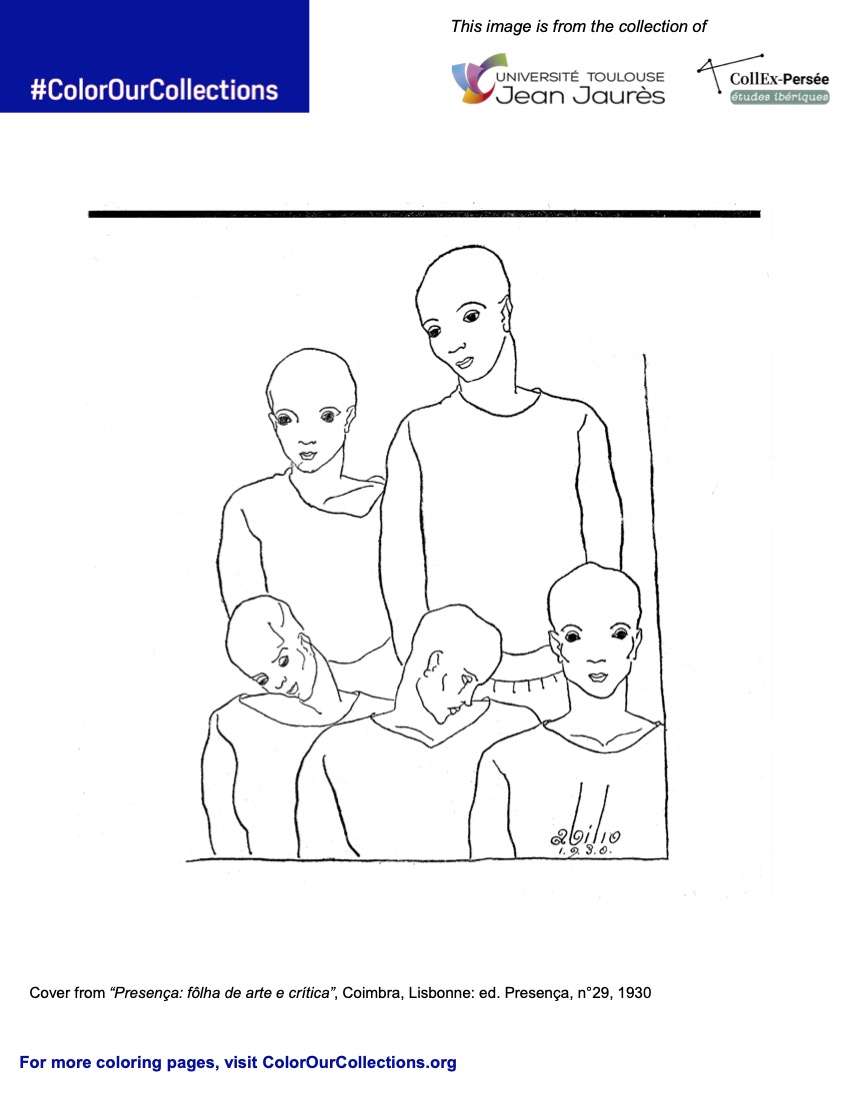
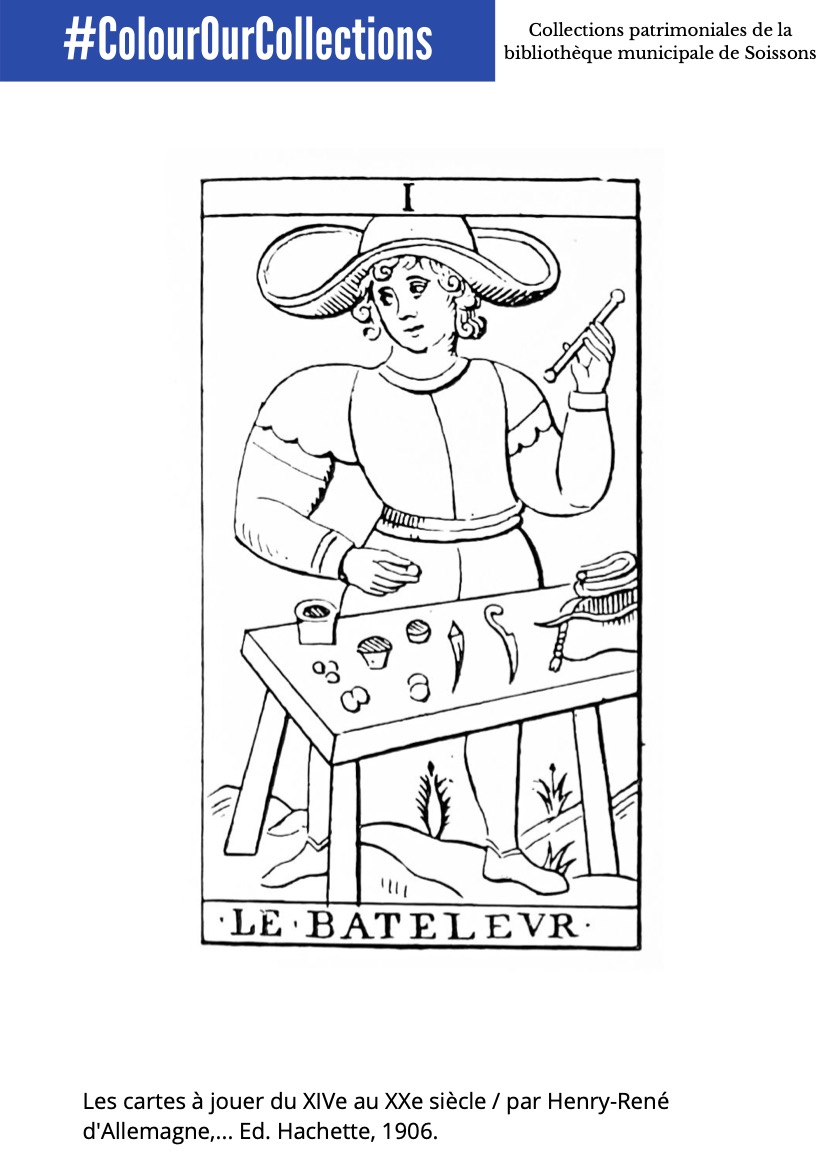
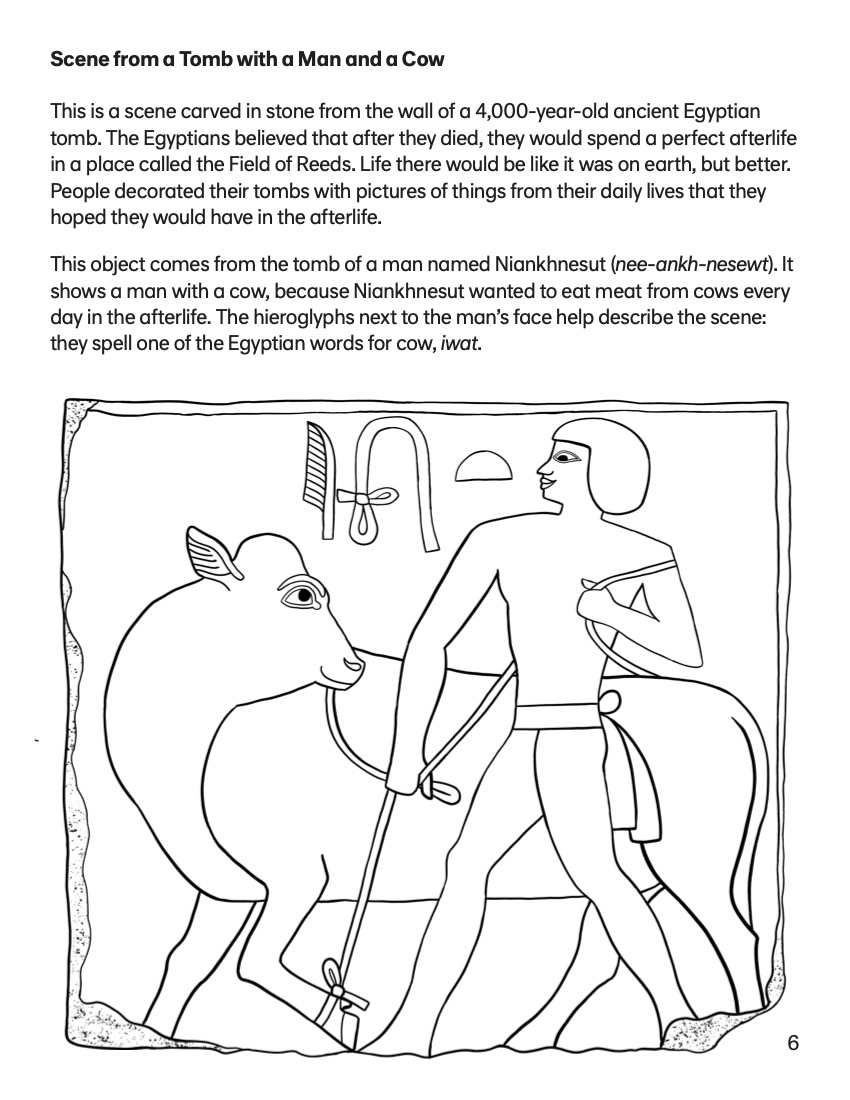
It’s always a joy to see who’s behind the year’s freakiest image.
This year, our vote goes to the Bibliothèque Mazarine, France’s oldest public library, but feel free to put forth other candidates in the comments section
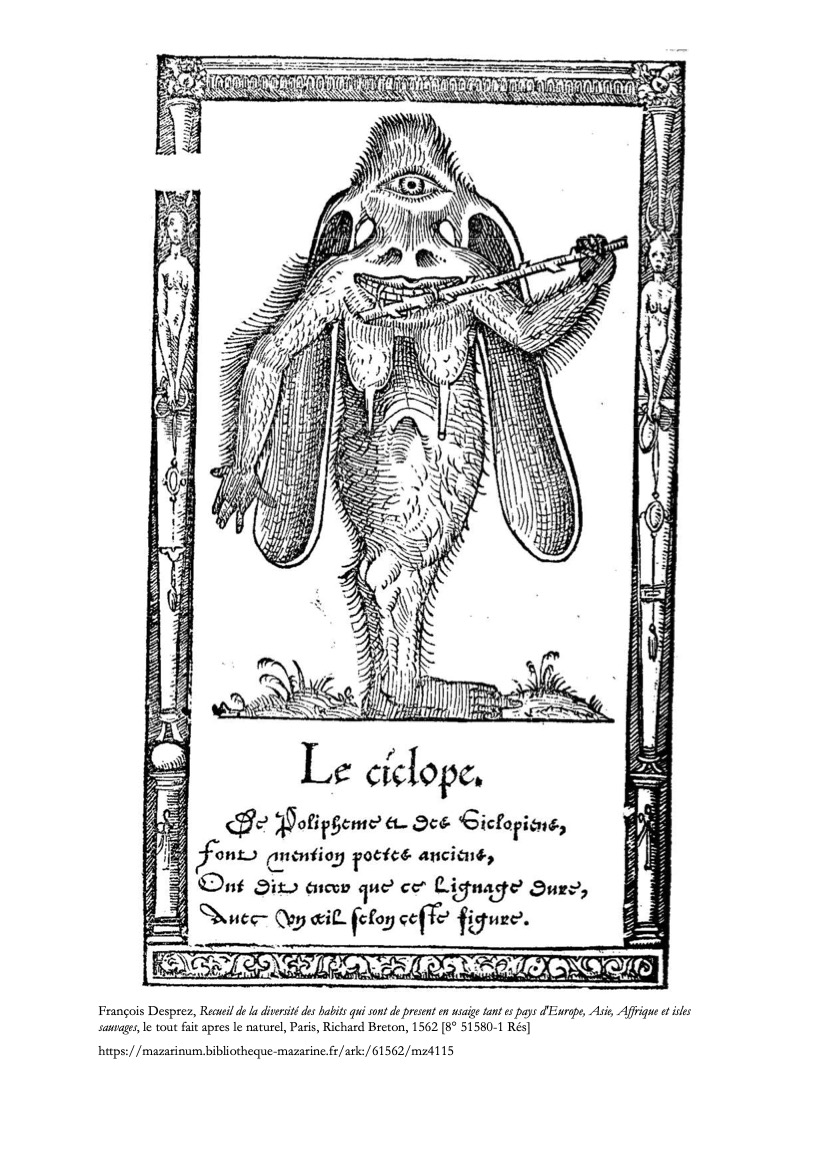
Begin your explorations of 2022’s coloring books here. See how others have colored these pages by exploring the hashtag #ColorOurCollections on social media.
from Art Life Culture https://ift.tt/MuD9jrd
via IFTTT
Natural Balance
Humans and animals are intertwined. The relationship and interaction between the two has long fascinated Dutch photographer and filmmaker Charlotte Dumas (b. 1977), whose work is currently on show at Huis Marseille, Amsterdam. Animals feature often in Dumas’ intimate portraits – relieved of the roles or symbolic functions imposed by humans. These creatures claim a pivotal and equally important role in the balance of nature, stimulating empathy in the viewer.

Ao, the artist’s first large solo exhibition at the gallery, gathers photographs and three short films dedicated to the Japanese remote island of Yonaguni and the critically endangered breed of native horses which live there. In Shio (2018), small indigenous horses wander free along the coast. A 10-year-old girl enters the scene, creating a gentle game in which she tries, without succeeding, to lead the animals into the sea. Yorishiro (2020) includes another figure, Dumas’ daughter Ivy, five years old at the time. She walks through an urban landscape, apparently extraneous to the surroundings, until she finds kinship with the island horses, a new family.

Ao (2021) has its first outing here. In the piece, Dumas’ eldest daughter Avis dances across the island in ballet shoes or on bare feet, traversing the rugged landscape amongst the horses. In front of a canyon, in which 18th century pregnant women were cruelly forced to jump to avoid overcrowding, the girl liberates the island from its horrific history. Earth, water, air and fire provide vital energies in the movements in space. Ultimately, the trilogy of films is tied together by the colour indigo, a natural pigment which stands for protection and disinfection. Blue appears across all three films, including textile creations by Yuko Kitta: threads of co-existence.
Huis Marseille, Amsterdam 11 December – 13 March
Words: Monica de Vidi
Image Credits:
1. Charlotte Dumas, Ao#2 (2021).
2. Charlotte Dumas, Ao#9 (2019).
3. Charlotte Dumas, Ao#14 (2019).
The post Natural Balance appeared first on Aesthetica Magazine.
from Art Life Culture https://ift.tt/FKJGakf
via IFTTT
Hear the Uncensored Original Version of “Hurricane,” Bob Dylan’s Protest Song About Jailed Boxer Rubin “Hurricane” Carter (1976)

Throughout his six-decade-long career, Bob Dylan has taken up quite a few causes in his songs. In the 1960s he was especially given to musical accusations of miscarriages of justice like “Only a Pawn in Their Game,” which he recorded less than two months after the assassination of Medgar Evers. But he kept it up even in the 70s, as demonstrated by his 1976 album Desire. “Here comes the story of the Hurricane,” he sings on its opening track, “the man the authorities came to blame for something that he never done: put in a prison cell, but one time he could have been the champion of the world.”
This “Hurricane” is, of course, former star boxer Rubin Carter, who’d been convicted for a triple murder at a Paterson, New Jersey bar a decade earlier. Today, many know the story of the Hurricane from the eponymous Denzel Washington-starring Hollywood biopic. By the time that film came out in 1999, Carter had long since been exonerated and made a free man, but when Dylan sang of his having been “falsely tried,” and “obviously framed,” the man was still serving a double life sentence. It was Carter’s autobiography The Sixteenth Round, written in prison, that inspired the literarily-minded Dylan to champion his release.
Written with songwriter-psychologist Jacques Levy, Dylan’s collaborator throughout Desire, “Hurricane” still today sounds as if it pulls no punches, delivering a host of can-he-say-that moments in its seven minutes. But in truth, says Far Our Magazine, “Dylan’s initial vision for the track had been a little different before the lawyers at Columbia Records began pawing over the lyrics. While many of Dylan’s claims of racial injustice are there in plain sight, the men in suits were more concerned with the lyrics implying that Alfred Bello and Arthur Dexter Bradley (the two lead witnesses of the original case) as having ‘robbed the bodies'” of Carter and acquaintance John Artis’ alleged victims. Given that they hadn’t been accused of stealing from any corpses, Columbia feared that the implication would draw a lawsuit.
Dylan had previously exhibited a devil-may-care attitude about such matters in his protest songs: “I should have sued him and put him in jail,” grumbled an aged William Zantzinger, the real-life attacker in Dylan’s “The Lonesome Death of Hattie Carroll.” But this time Dylan acquiesced to the lawyers. Returning to the studio with members of his Rolling Thunder Revue, he laid down a new version of “Hurricane,” censored but musically even harder-hitting (below), that did make it onto Desire. In the video at the top of the post, you can hear the original, which is longer, slower, and more raw in every sense. In the event, the expurgated “Hurricane” still got Dylan sued, but by a different witness: Patricia Valentine, who lived above the bar where the killings occurred and insisted that she did not, in fact, see “the bartender in a pool of blood.” Even a future Nobel Prize winner, it seems, isn’t safe to take a bit of poetic license.

Related content:
“Tangled Up in Blue”: Deciphering a Bob Dylan Masterpiece
Bob Dylan Releases a Cryptic 17-Minute Song about the JFK Assassination: Hear a “Murder Most Foul”
How Bob Dylan Created a Musical & Literary World All His Own: Four Video Essays
Based in Seoul, Colin Marshall writes and broadcasts on cities, language, and culture. His projects include the Substack newsletter Books on Cities, the book The Stateless City: a Walk through 21st-Century Los Angeles and the video series The City in Cinema. Follow him on Twitter at @colinmarshall or on Facebook.
from Art Life Culture https://ift.tt/DJrdWfG
via IFTTT
Sunday, February 27, 2022
Why Russia Invaded Ukraine: A Useful Primer
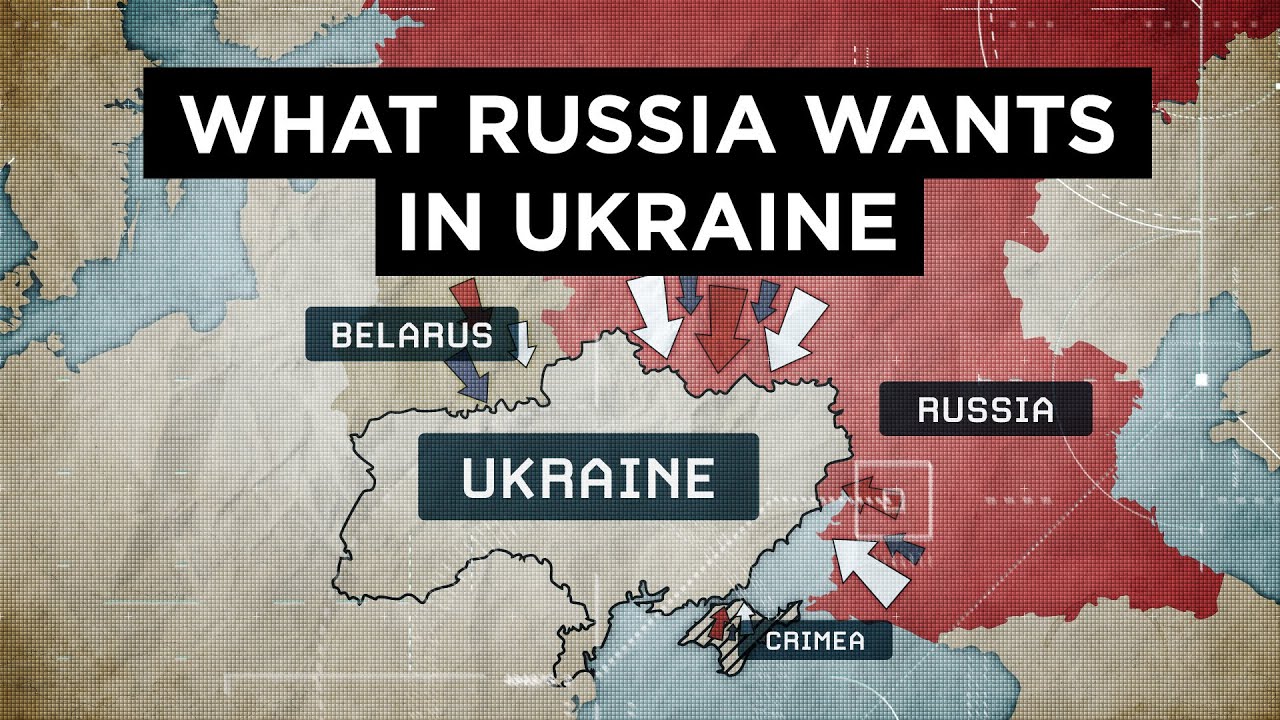
Why did Russia launch an unprovoked war in Ukraine and risk creating a wider global conflict? If you haven’t closely tracked the ambitions of Vladimir Putin, this primer offers some helpful context. In 30 minutes, the video covers the geopolitical, economic and environmental backstory. As you watch the explainer, it’s worth keeping one thing in mind: For years, European nations have long resisted bringing Ukraine into the NATO fold, precisely because they knew it would trigger a conflict with Putin. And there had been no recent plan to revisit the issue. All of this suggests that Putin has highlighted the NATO threat (amply discussed in the video) because it would provide him a useful pretext for an invasion. There was hardly an imminent threat.
If you’re looking for other rationales not covered by this video, you could focus on two reasons provided by Hein Goemans, a professor of political science at the University of Rochester: Putin “wants to reestablish directly or indirectly, by annexation or by puppet-regimes, a Russian empire—be it the former USSR or Tsarist Russia. A second possible answer has to do with the role of domestic Russian politics, which the standard literature on conflict takes very seriously: Putin has seen what happened in some former Soviet successor republics and the former Yugoslavia, several of which experienced ‘Color Revolutions’ and democratized. Indeed, it was a Color Revolution in Ukraine in 2014, which Putin mischaracterizes as a military coup. He wants to prevent more of these revolutions and prevent a democratic encirclement of countries around him, which could provide a safe haven for Russian dissidents who’d be dangerous to Putin’s political survival. Both of these goals overlap in the sense that he is seeking regime change, which is a dangerous game.”
If you would like to sign up for Open Culture’s free email newsletter, please find it here.
If you would like to support the mission of Open Culture, consider making a donation to our site. It’s hard to rely 100% on ads, and your contributions will help us continue providing the best free cultural and educational materials to learners everywhere. You can contribute through PayPal, Patreon, Venmo (@openculture) and Crypto. Thanks!
Related Content
Why is Ukraine in Crisis?: A Quick Primer For Those Too Embarrassed to Ask (2014)
from Art Life Culture https://ift.tt/65xbZqW
via IFTTT
Saturday, February 26, 2022
West Point Expert Gives Ukrainians Advice on Conducting Effective Urban Warfare Against Russian Troops

John W. Spencer currently serves as the Chair of Urban Warfare Studies at the Modern War Institute at West Point. He’s also Co-Director of the Urban Warfare Project, and host of the Urban Warfare Project podcast. Ergo, he knows something about urban warfare.
On Twitter, he gave advice to civilians resistors in Ukraine, especially Kyiv, on how to resist the Russian invasions. His tweet thread reads as follows:
- So I’ve been asked what my advice would be to civilian resistors in Ukriane, especially Kyiv. Someone with no military training but wanting to resist. Here are a few things #Kyiv #UkraineUnderAttack :
- You have the power but you have to fight smart. The urban defense is hell for any soldier. It usually take 5 attackers to 1 defender. Russians do not have the numbers. Turn Kyiv and any urban area leading to Kyiv into a porcupine.
- Go out and build obstacles in the streets! Start with any bridge you can find (they should have been destroyed). Block them with cars, trucks, concrete, wood, trash, anything! Then block any spot in the city where there are tall buildings on each side. Already tight areas.
- If it is a street you still need to use. Build a S pattern obstacle that still slows a vehicle down. Think police check point (which you could set up if you wanted to catch saboteurs before military reach your location)
- Once you have obstacles (never stop building). I really mean thousands of barriers/obstacles. You can decided places to fight. Places to shoot from or ambush any soldier or vehicle that stops or slows down at your obstacles.
- Do NOT stand in the open and shoot or throw anything (to include molotov cocktail) at a Russian soldier or vehicles. Shoot from windows, behind cars, around alleyway corners. Build positions (concrete best) to fire from.
- You must prepare for the Russians to start using artillery to help their troops. Make sure the places you choose to shoot from are strong. If in a building, make holes in the walls so you can shoot from and bigger ones to move to other rooms or buildings. You must survive.
- Yes, use your molotov cocktails. Think about where you will stand to throw (then run). Dropping from windows above vehicles most ideal. Vehicles without weapons on top the most vulnerable, but if it is armor, choose where to hit.
- Form into groups. Ideally 3 to 5 and decided where to shoot at Russians from. You get to decide. Best if coordinated with another group and using your obstacles to slow something and shoot at from concealed and protected positions.
- Again, your survival to fight is important so think hard about where you will shoot from. Elevated positions down long streets. Shoot and run. Ambushes. Aim for the windows and doors of non-armor vehicles. Soldiers in open. One of the greatest fears of a soldier is a sniper.
- You are not a sniper, but you can put fear in their hearts if they think there are snipers everywhere. Again take care of yourselves to be able to resist. Drink water. 3 days without water and you won’t be able to fight. More later.
from Art Life Culture https://ift.tt/k5hDm6F
via IFTTT
Friday, February 25, 2022
An Art-World Capital, With Few Places for Artists to Work
A new London exhibition celebrates the creativity of artists in their studios. But ateliers in the city are vanishing, and artists are being pushed out.
from Art Life Culture https://ift.tt/zS1tnIF
via IFTTT
from Art Life Culture https://ift.tt/zS1tnIF
via IFTTT
Ukraine War Bares U.S. Army Delay in Creating New ‘Monuments Officers’
Civilian specialists are tracking the threat to landmarks in Ukraine as the U.S. Army struggles after more than two years to appoint new cultural heritage preservation specialists modeled after the “Monuments Men.”
from Art Life Culture https://ift.tt/FSR51mL
via IFTTT
from Art Life Culture https://ift.tt/FSR51mL
via IFTTT
Thursday, February 24, 2022
Antiquities Valued at More Than $20 Million Returned to Greece
The 55 items seized by the Manhattan district attorney’s office are thought to have been stolen from archaeological sites and illegally brought into the United States.
from Art Life Culture https://ift.tt/a51KMy8
via IFTTT
from Art Life Culture https://ift.tt/a51KMy8
via IFTTT
‘The Crown’ Jewels, and Other Props, Reported Stolen Amid Filming
More than 200 props valued at roughly $200,000, including antiques, a replica of a Fabergé egg, silver and gold candelabra and part of a grandfather clock, were reportedly stolen.
from Art Life Culture https://ift.tt/vTVP60y
via IFTTT
from Art Life Culture https://ift.tt/vTVP60y
via IFTTT
Picturing Black Childhood: An Artist’s Journey
Long devoted to the subject of Black girlhood, now the focus of two new exhibitions, Deborah Roberts reflects on what has changed and what hasn’t when it comes to self-representation, play and power.
from Art Life Culture https://ift.tt/lWcbw5x
via IFTTT
from Art Life Culture https://ift.tt/lWcbw5x
via IFTTT
James Turrell Takes Up Curating, With a Show by His Hero
What does Turrell, the master of light, have in common with Ad Reinhardt, the master of dark? Benches, for starters.
from Art Life Culture https://ift.tt/OiCtuEL
via IFTTT
from Art Life Culture https://ift.tt/OiCtuEL
via IFTTT
The Medieval Masterpiece, the Book of Kells, Has Been Digitized and Put Online
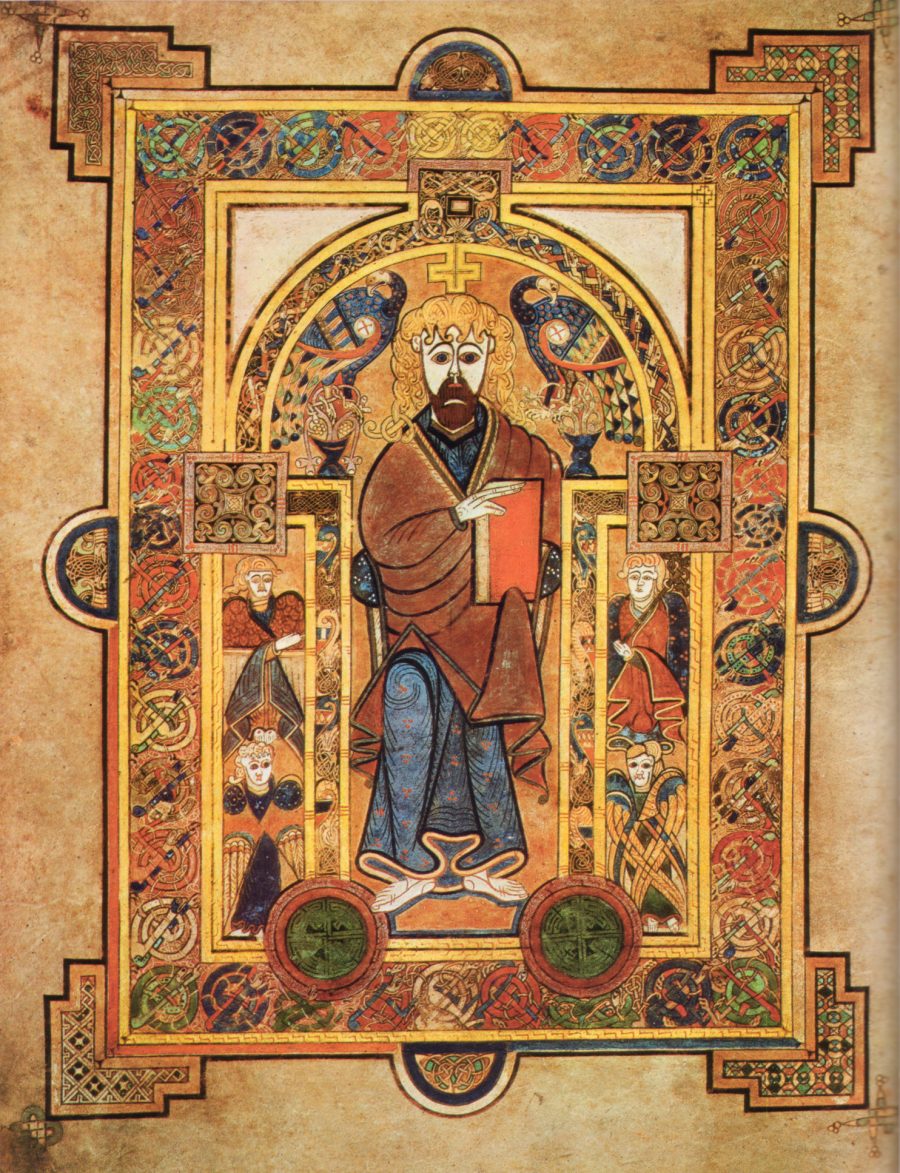
If you know nothing else about medieval European illuminated manuscripts, you surely know the Book of Kells. “One of Ireland’s greatest cultural treasures” comments Medievalists.net, “it is set apart from other manuscripts of the same period by the quality of its artwork and the sheer number of illustrations that run throughout the 680 pages of the book.” The work not only attracts scholars, but almost a million visitors to Dublin every year. “You simply can’t travel to the capital of Ireland,” writes Book Riot’s Erika Harlitz-Kern, “without the Book of Kells being mentioned. And rightfully so.”
The ancient masterpiece is a stunning example of Hiberno-Saxon style, thought to have been composed on the Scottish island of Iona in 806, then transferred to the monastery of Kells in County Meath after a Viking raid (a story told in the marvelous animated film The Secret of Kells). Consisting mainly of copies of the four gospels, as well as indexes called “canon tables,” the manuscript is believed to have been made primarily for display, not reading aloud, which is why “the images are elaborate and detailed while the text is carelessly copied with entire words missing or long passages being repeated.”
Its exquisite illuminations mark it as a ceremonial object, and its “intricacies,” argue Trinity College Dublin professors Rachel Moss and Fáinche Ryan, “lead the mind along pathways of the imagination…. You haven’t been to Ireland unless you’ve seen the Book of Kells.” This may be so, but thankfully, in our digital age, you need not go to Dublin to see this fabulous historical artifact, or a digitization of it at least, entirely viewable at the online collections of the Trinity College Library. The pages, originally captured in 1990, “have recently been rescanned,” Trinity College Library writes, using state of the art imaging technology. These new digital images offer the most accurate high resolution images to date, providing an experience second only to viewing the book in person.”

What makes the Book of Kells so special, reproduced “in such varied places as Irish national coinage and tattoos?” ask Professors Moss and Ryan. “There is no one answer to these questions.” In their free online course on the manuscript, these two scholars of art history and theology, respectively, do not attempt to “provide definitive answers to the many questions that surround it.” Instead, they illuminate its history and many meanings to different communities of people, including, of course, the people of Ireland. “For Irish people,” they explain in the course trailer above, “it represents a sense of pride, a tangible link to a positive time in Ireland’s past, reflected through its unique art.”

But while the Book of Kells is still a modern “symbol of Irishness,” it was made with materials and techniques that fell out of use several hundred years ago, and that were once spread far and wide across Europe, the Middle East, and North Africa. In the video above, Trinity College Library conservator John Gillis shows us how the manuscript was made using methods that date back to the “development of the codex, or the book form.” This includes the use of parchment, in this case calf skin, a material that remembers the anatomical features of the animals from which it came, with markings where tails, spines, and legs used to be.
The Book of Kells has weathered the centuries fairly well, thanks to careful preservation, but it’s also had perhaps five rebindings in its lifetime. “In its original form,” notes Harlitz-Kern, the manuscript “was both thicker and larger. Thirty folios of the original manuscript have been lost through the centuries and the edges of the existing manuscript were severely trimmed during a rebinding in the nineteenth century.” It remains, nonetheless, one of the most impressive artifacts to come from the age of the illuminated manuscript, “described by some,” says Moss and Ryan, “as the most famous manuscript in the world.” Find out why by seeing it (virtually) for yourself and learning about it from the experts above.
For anyone interested in getting a copy of The Book of Kells in a nice print format, see The Book of Kells: Reproductions from the manuscript in Trinity College, Dublin.
Related Content:
Josh Jones is a writer and musician based in Durham, NC. Follow him at @jdmagness
from Art Life Culture https://ift.tt/bn1wtxX
via IFTTT
James Turrell Takes Up Curating, With a Show by His Hero
What does Turrell, the master of light, have in common with Ad Reinhardt, the master of dark? Benches, for starters.
from Art Life Culture https://ift.tt/tElcfJQ
via IFTTT
from Art Life Culture https://ift.tt/tElcfJQ
via IFTTT
Rashaad Newsome Pulls Out All the Stops
His protean “Assembly,” at the Park Avenue Armory, bridges art, technology, performance, workshops — and offers an A.I. Being who will teach you how to vogue.
from Art Life Culture https://ift.tt/hdyEDNB
via IFTTT
from Art Life Culture https://ift.tt/hdyEDNB
via IFTTT
Can New Yorkers Be Lured Back to the Arts by a Good Deal?
With two-for-one cocktails at the Met museum and two-for-one Broadway tickets, New York arts institutions are trying to lure back locals after a long, tough winter.
from Art Life Culture https://ift.tt/EAtkwoZ
via IFTTT
from Art Life Culture https://ift.tt/EAtkwoZ
via IFTTT
Repetition and Colour
In Berlin, residential landscapes composed from prefabricated concrete-slab towers are called “Plattenbau” (literally “slab buildings”). They are often considered synonymous with East-German architecture – and the slate-skied drabness it may evoke for some. Now, in a new book, Jessi Simon presents these structures in all their grid-like beauty.


Berlin is a city fundamentally shaped by the regeneration projects of the post-WWII decades. Large-scale housing developments reflected a renaissance of modernist architecture. International Style and Constructivist trends of the 1910s – 1930s were reinvented for everyday urban residents, in an effort to rebuild a city hollowed out by bomb damage. As elsewhere, the results were mixed and divisive. When the online image bank from which this book grew was launched in 2020, reactions showed that “these buildings, some of which are now more than half a century old, still had the power to provoke unusually strong, often polarised responses”.

“The word Plattenbau”, Simon continues, “refers to buildings created using a specific construction method in which precast panels of steel-reinforced concrete are assembled into larger structures”. From 1959 onwards, the technique was used so extensively in the East that “Plattenbau” is sometimes considered a catch-all term for the architecture of the Democratic Republic. But similar methods were used in the West. Indeed, to the contemporary eye, the architectural styles of these formerly alien districts – many of them just hundreds of metres away from each other – seem to stand in visual dialogue. East and West German design and culture have been subject to revisionary attention in recent years, stressing points of overlap.


Following a neat potted architectural history of Berlin, we are invited on a sun-filled tour across a once-divided city, from the East (Mitte, Lichtenberg, Marzahn and the Außenbezirke or “outer boroughs”) to the West (Gropiusstadt, Märkisches Viertel, Innenstadt, Der Südwesten and Spandau). The author stresses a qualified continuity across these regions grounded in the shared modernist ideals of the pre-WWII era, and the years of limited rapprochement following the war but before the construction of the Berlin Wall in 1961. “Ensembles of larger buildings set within open, pedestrian-friendly spaces… central area[s] of shops, cafes, schools and sporting facilities that fulfil the social functions of a self-contained town”: plans along these lines were brought to life across the metropolis. Reinforced concrete was the material of choice for ease and affordability, whilst the sheer volume of new housing required made elements of uniformity necessary.

In the East, modularity and repetition were seized as conscious design features to a greater extent than in the West. “The panels,” Simon notes, “with their even distribution of windows, create an impression of overwhelming regularity; and when the visible joints where the panels meet are multiplied to the size of a full building, they create the impression of a vast grid in which each square represents a single unit of human life.” Across suggestively named boulevards, streets and squares, from Karl-Marx-Allee to Platz der Vereinten Nationen (“United Nations Square”), the “aesthetic purity” of the eastern design style is brought to life through the crisp simplicity and shadowless colours of the photography. It should be noted, however, that, just as statues of Lenin no longer feature within the plazas and gardens of these boroughs, modern refurbishment has resulted in much of the cladding, paint and plasterwork that ensures the vibrancy of the images. These bright colours draw in the eye, making the senses long for the hypnotic rhythms of the city.
Plattenbau Berlin is published by Prestel in March. Find out more here.
Words: Greg Thomas
All images © Jesse Simon
The post Repetition and Colour appeared first on Aesthetica Magazine.
from Art Life Culture https://ift.tt/wYHSheE
via IFTTT
The New Herbal: A Masterpiece of Renaissance Botanical Illustrations Gets Republished in a Beautiful 900-Page Book by Taschen
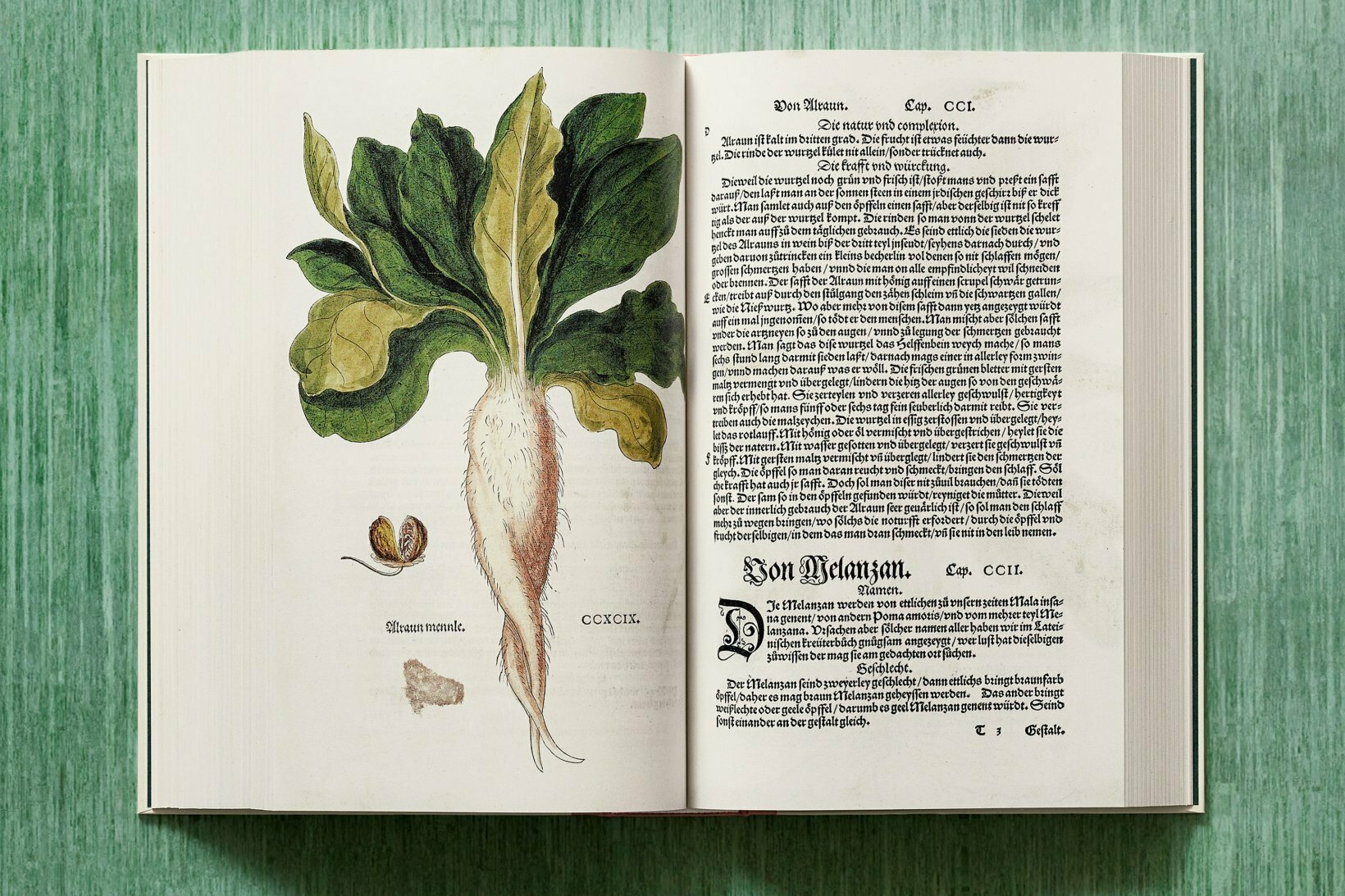
We’ve all have heard of the fuchsia, a flower (or genus of flowering plant) native to Central and South America but now grown far and wide. Though even the least botanically literate among us know it, we may have occasional trouble spelling its name. The key is to remember who the fuchsia was named for: Leonhart Fuchs, a German physician and botanist of the sixteenth century. More than 450 years after his death, Fuchs is remembered as not just the namesake of a flower, but as the author of an enormous book detailing the varieties of plants and their medicinal uses. His was a landmark achievement in the form known as the herbal, examples of which we’ve featured here on Open Culture from ninth- and eighteenth-century England.
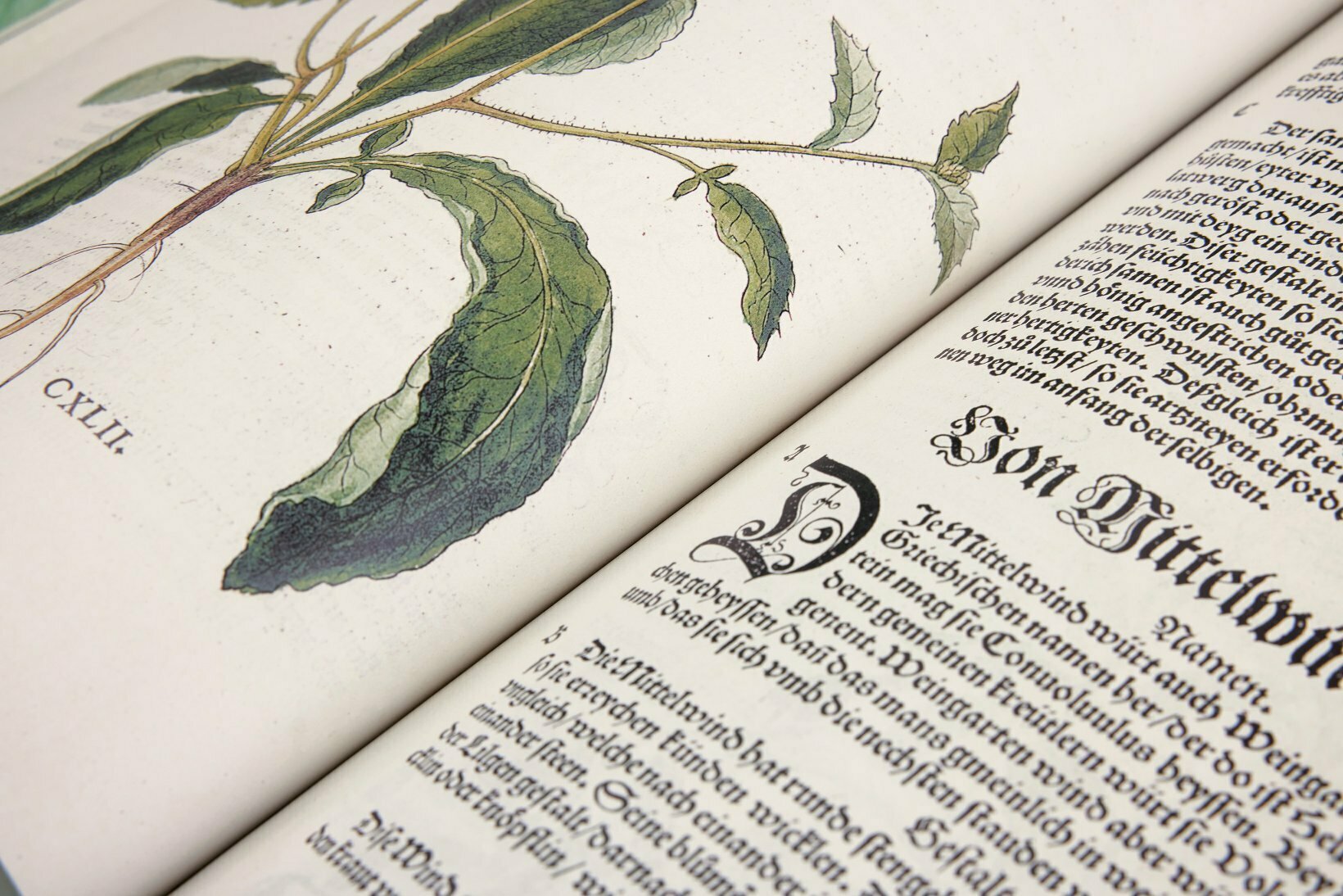
But De Historia Stirpium Commentarii Insignes, as this work was known upon its initial 1542 publication in Latin, has worn uncommonly well through the ages. Or rather, Fuchs’ personal, hand-colored original has, coming down to us in 2022 as the source for Taschen’s The New Herbal. “A masterpiece of Renaissance botany and publishing,” according to the publisher, the book includes “over 500 illustrations, including the first visual record of New World plant types such as maize, cactus, and tobacco.”
Buyers also have their choice of English, German, and French editions, each with its own translations of Fuchs’ “essays describing the plants’ features, origins, and medicinal powers.” (You can also read a Dutch version of the original online at Utrecht University Library Special Collections.)
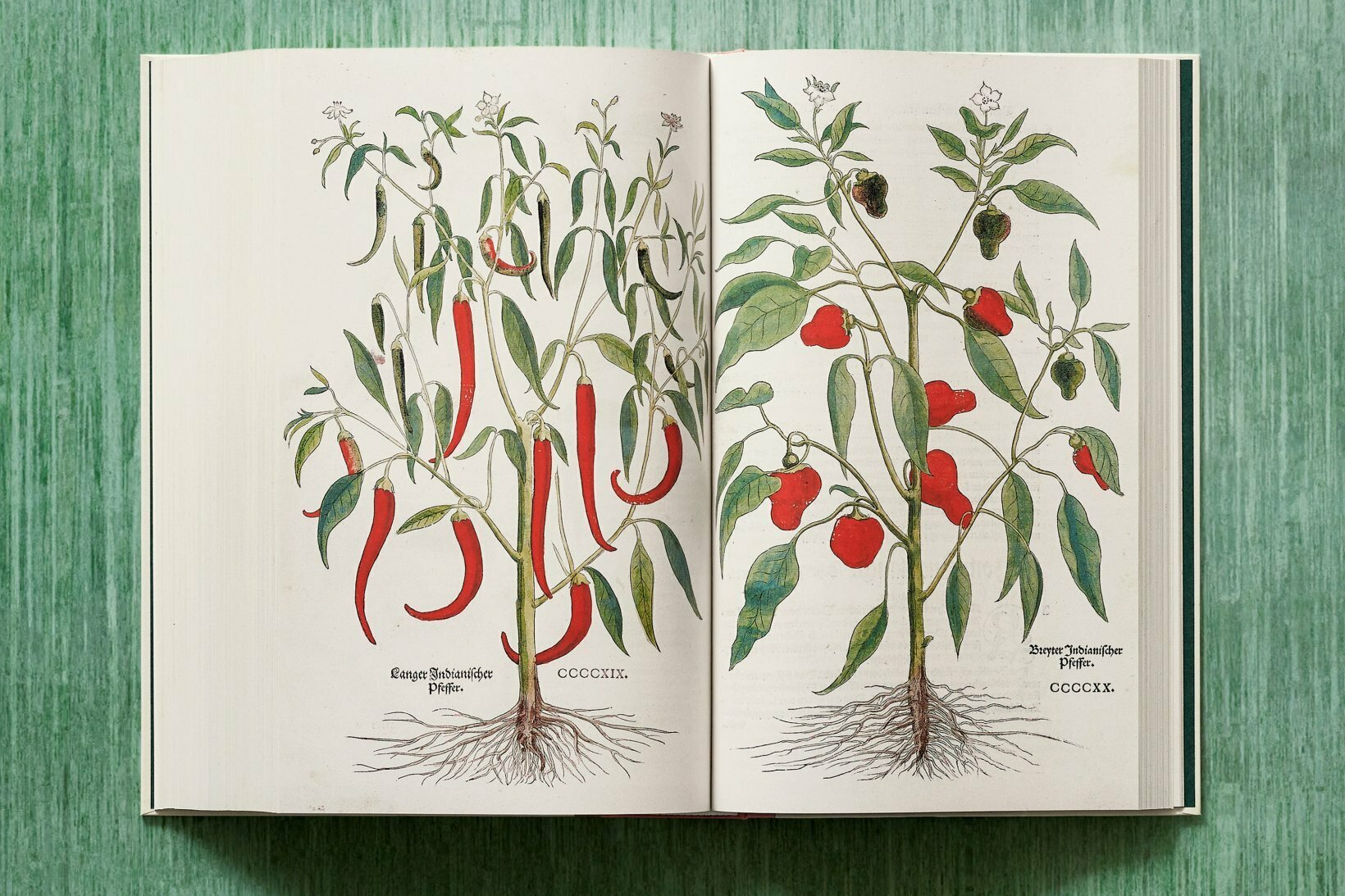
Naturally, some of the information contained in these nearly five-century-old scientific writings will be a bit dated at this point, but the appeal of the illustrations has never dimmed. “Fuchs presented each plant with meticulous woodcut illustrations, refining the ability for swift species identification and setting new standards for accuracy and quality in botanical publications.” Over 500 of them go into the book: “Weighing more than 10 pounds,” writes Colossal’s Grace Ebert, “the nearly 900-page volume is an ode to Fuchs’ research and the field of Renaissance botany, detailing plants like the leafy garden balsam and root-covered mandrake.”
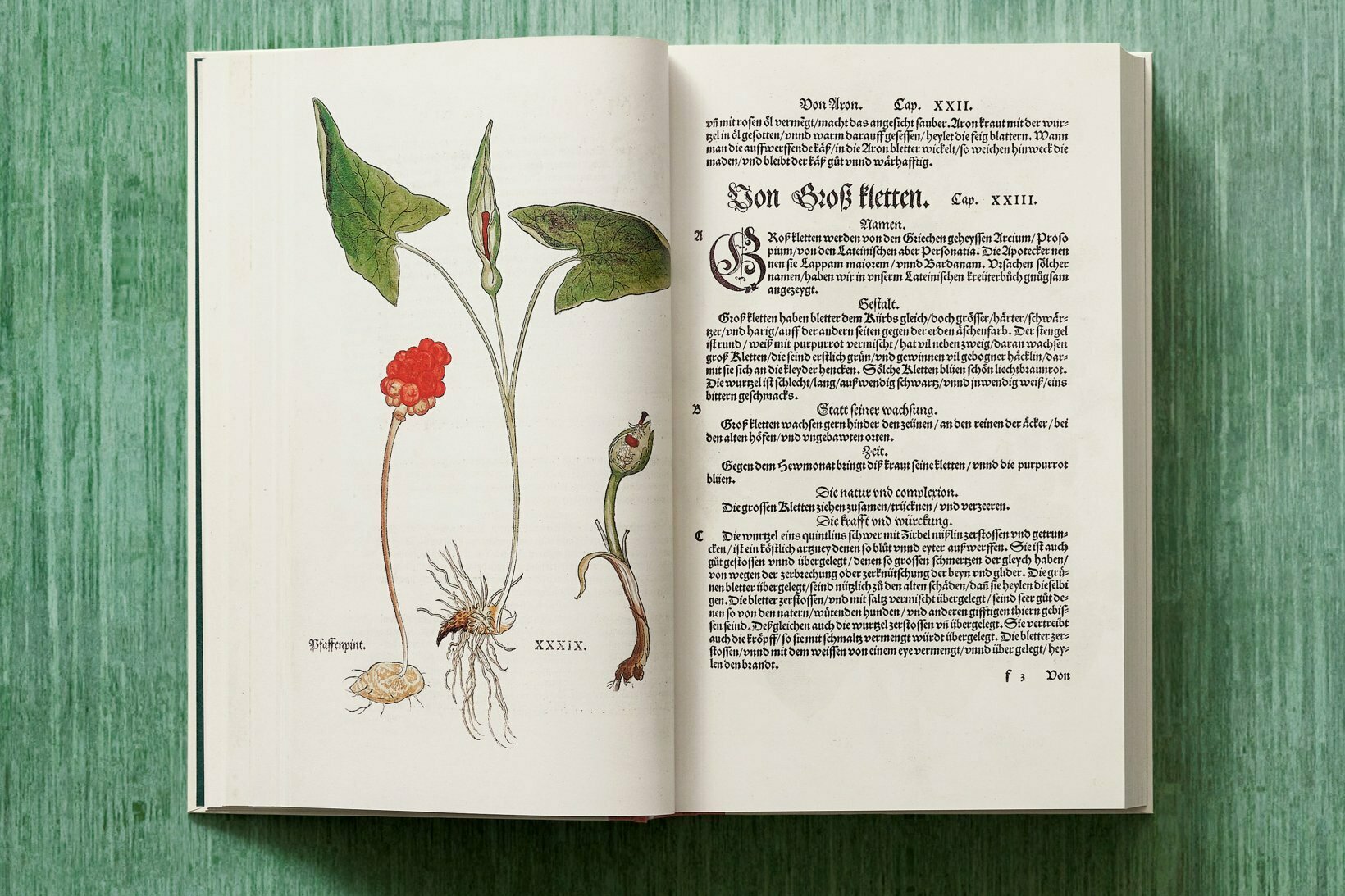
Taschen’s reproductions of these works of botanical art look to do justice to Leonhart Fuchs’ legacy, especially in the brilliance of their colors. It’s enough to reinforce the assumption that the man has received tribute not just through fuchsia the flower but fuchsia the color as well. But such a dual connection turns out to be in doubt: the color’s name derives from rosaniline hydrochloride, also known as fuchsine, originally a trade name applied by its manufacturer Renard frères et Franc. The name fuschine, in turn, derives from fuchs, the German translation of renard. The New Herbal is, of course, a work of botany rather than linguistics, but it should nevertheless stimulate in its beholders an awareness of the interconnection of knowledge that fired up the Renaissance mind.
via Colossal
Related content:
Two Million Wondrous Nature Illustrations Put Online by The Biodiversity Heritage Library
A Beautiful 1897 Illustrated Book Shows How Flowers Become Art Nouveau Designs
1,000-Year-Old Illustrated Guide to the Medicinal Use of Plants Now Digitized & Put Online
Based in Seoul, Colin Marshall writes and broadcasts on cities, language, and culture. His projects include the Substack newsletter Books on Cities, the book The Stateless City: a Walk through 21st-Century Los Angeles and the video series The City in Cinema. Follow him on Twitter at @colinmarshall or on Facebook.
from Art Life Culture https://ift.tt/CrYOANo
via IFTTT
5 Things to Do This Weekend
Our critics and writers have selected noteworthy cultural events to experience virtually and in person in New York City.
from Art Life Culture https://ift.tt/RvinVE2
via IFTTT
from Art Life Culture https://ift.tt/RvinVE2
via IFTTT
Paula Cole Discusses Songwriting: Stream the Nakedly Examined Music Interview Online
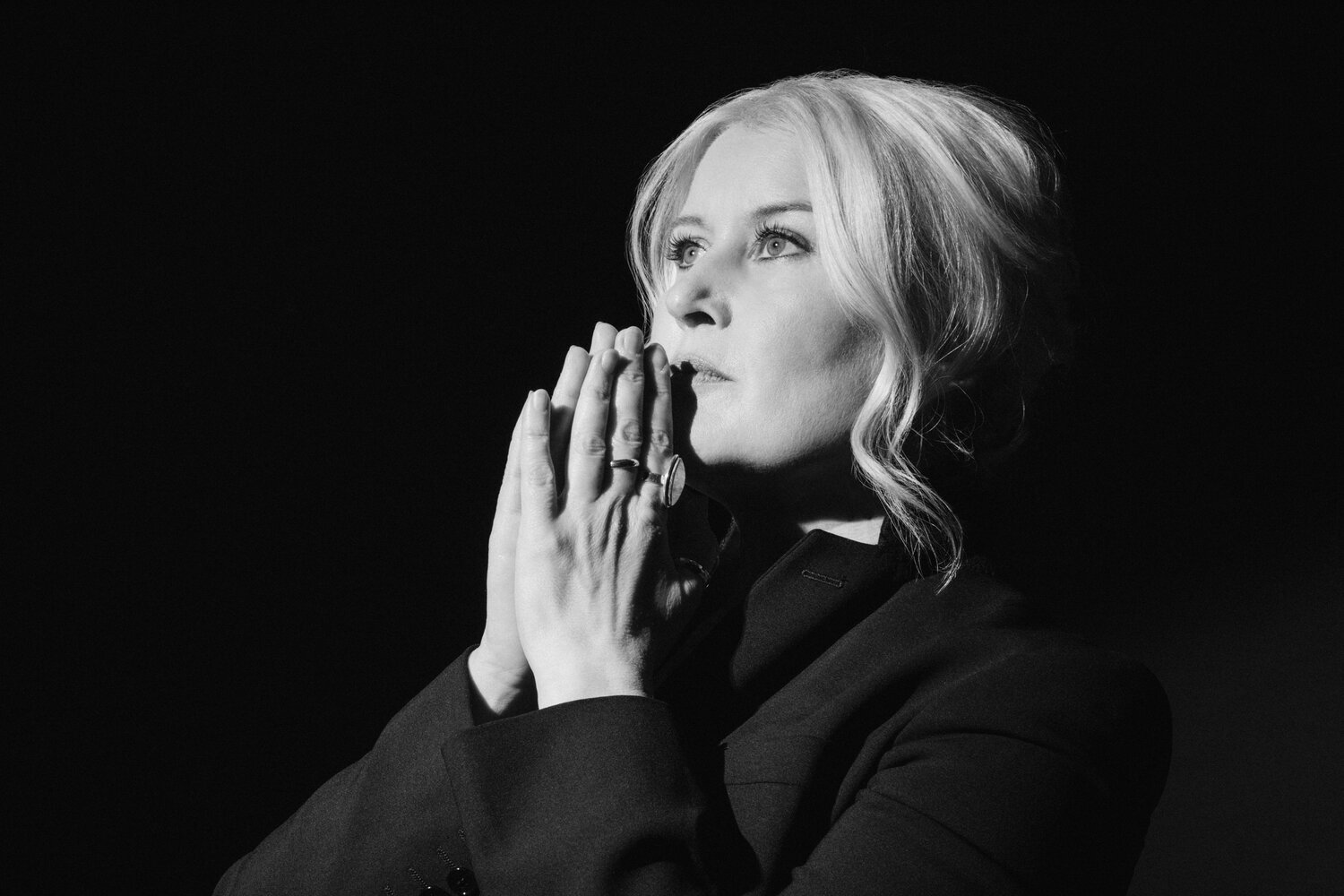
This week’s Nakedly Examined Music podcast features the Grammy-winning singer-songwriter Paula Cole. After backing Peter Gabriel in the early 90s on his Secret World tour, she had major hits with “I Don’t Want to Wait” (later the theme song of Dawson’s Creek) and “Where Have All the Cowboys Gone.” She has released ten studio albums since 1994.
https://podtrac.com/pts/redirect.mp3/traffic.libsyn.com/partiallyexaminedlife/NEM_ep_165_1-7-22.mp3On this podcast, you’ll hear four full songs with discussions of their details: “Blues in Gray” from Revolution (2019), “Father” from 7 (2015), and “Hush, Hush, Hush” from This Fire (1996), plus “Steal Away/Hidden in Plain Sight” from American Quilt (2021). Intro: “I Don’t Want to Wait,” also from This Fire. For more, see paulacole.com.
After her hit-making, her style took a rather sharp turn with the 1999 Amen album; here’s “I Believe in Love,” a disco tune from that. Her Revolution album has some much more directly political songs like its title track. She’s done some jazz and folk covers with her recent American Quilt and Ballads album, like this tune. Here she is live in 1998 and a more recent stripped-down appearance. She can still sing “I Don’t Want to Wait” with pretty much the same tone, and in fact the version used to introduce the podcast is the artist’s re-recording, not the original.
Photo by Ebru Yildiz. Interview editing by Tyler Hislop of Pixelbox Media.
Nakedly Examined Music is a podcast hosted by Mark Linsenmayer, who also hosts The Partially Examined Life Philosophy Podcast, Pretty Much Pop: A Culture Podcast, and Philosophy vs. Improv. He releases music under the name Mark Lint.
from Art Life Culture https://ift.tt/0Ezwrd5
via IFTTT
Wednesday, February 23, 2022
Hearing on Henry Darger Estate Dispute Is Postponed
Distant relatives are seeking to gain control of the outsider artist’s estate from a former landlord, who says that Darger gave the art and literary works he created to her husband.
from Art Life Culture https://ift.tt/P6bcxdS
via IFTTT
from Art Life Culture https://ift.tt/P6bcxdS
via IFTTT
A No-Cost Modernist Home, but No Takers Yet. It Needs Moving.
An Instagram post has boosted preservation efforts for a midcentury-modern home in Illinois. But a plan for its future would need to be in place by April 1, or it might be razed.
from Art Life Culture https://ift.tt/N0BFUKJ
via IFTTT
from Art Life Culture https://ift.tt/N0BFUKJ
via IFTTT
Met Buys Italian Renaissance Bronze After Two Decades on the Hunt
The purchase of a roundel for $23 million is the museum’s second largest ever, and fulfills a former curator’s dream after losing out in a 2003 auction.
from Art Life Culture https://ift.tt/m570NLG
via IFTTT
from Art Life Culture https://ift.tt/m570NLG
via IFTTT
Haruki Murakami’s Five Favorite Books
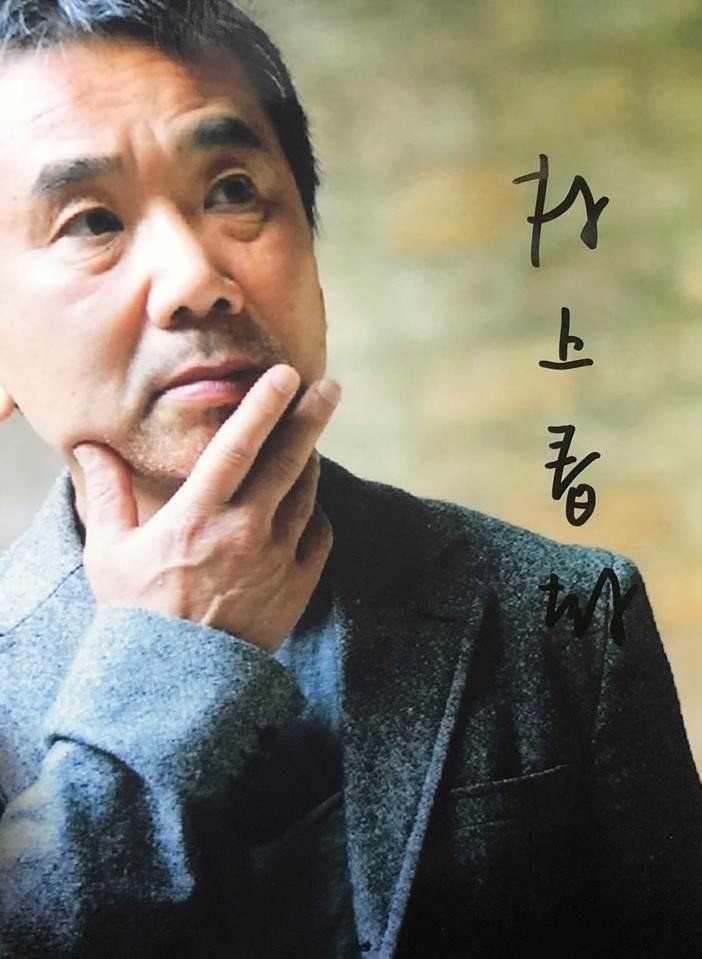
Image bySociety for Culture, Art and International Cooperation Adligat, via Wikimedia Commons
You could say that Haruki Murakami is a Japanese writer. And given that he was born in Japan to Japanese parents, grew up in Japan, and lives in Japan still today, you’d have geography, culture, and biology on your side. Yet Alfred Birnbaum, one of Murakami’s own English translators, has called him “an American writer who happens to write in Japanese.” To understand how this could be requires a consideration of not just Murakami’s writing, but the writers whose books inspired him. Take the hard-boiled novelist Raymond Chandler, whose The Long Goodbye appears on the list of Murakami’s five favorite books just posted at Literary Hub.
“I have translated all the novels of Raymond Chandler,” Murakami once said. “I like his style so much. I have read The Long Goodbye five or six times.” He must have read it for the first time in Kobe, where he grew up in the 1950s and 60s, and whose bookstores offered an abundance of pulp fiction left behind by departing U.S. military personnel. Chandler’s would have been one of the literary voices he internalized before sitting down to write his own first novel, Hear the Wind Sing, using the highly unusual method of beginning the story in English, or what English he commanded. He then translated this Philip Marlovian experiment back into Japanese, beginning a literary career of four decades and counting.
A translator when not writing his own fiction, Murakami has also rendered in his native language F. Scott Fitzgerald’s The Great Gatsby, perhaps the most symbolically American novel of them all. Literary Hub quotes him as saying that “had it not been for Fitzgerald’s novel, I would not be writing the kind of literature I am today (indeed, it is possible that I would not be writing at all, although that is neither here or there).” His prose is also the medium through which many Japanese readers have experienced J.D. Salinger’s The Catcher in the Rye: “I enjoyed it when I was seventeen, so I decided to translate it. I remembered it as being funny, but it’s dark and strong. I must have been disturbed when I was young.”
None of Murakami’s top five books are Japanese, but not all of them American. The list also includes Franz Kafka’sThe Castle, another book he encountered as a Kobe teenager: “It gave me a tremendous shock. The world Kafka described in that book was so real and so unreal at the same time that my heart and soul seemed torn into two pieces.” Though the two writers have their stylistic differences, “so real and so unreal at the same time” could just as well describe whatever genre it is that Murakami has invented and continues to advance today. “Most writers get weaker and weaker as they age,” he once said, “but Dostoevsky didn’t. He kept getting bigger and greater. He wrote The Brothers Karamazov in his late fifties.” Murakami is now in his early seventies, but who — even among those familiar with his inspirations — would dare predict what sort of novel he’ll give us next?
via Literary Hub
Related content:
Haruki Murakami Translates The Great Gatsby, the Novel That Influenced Him Most
David Foster Wallace’s Surprising List of His 10 Favorite Books, from C.S. Lewis to Tom Clancy
Stephen King Creates a List of His 10 Favorite Novels
Philip Roth (RIP) Creates a List of the 15 Books That Influenced Him Most
The Books Samuel Beckett Read and Really Liked (1941-1956)
Based in Seoul, Colin Marshall writes and broadcasts on cities, language, and culture. His projects include the Substack newsletter Books on Cities, the book The Stateless City: a Walk through 21st-Century Los Angeles and the video series The City in Cinema. Follow him on Twitter at @colinmarshall or on Facebook.
from Art Life Culture https://ift.tt/XfsrLB2
via IFTTT
Visual Storytelling
“The first thing that caught my attention when I received the first draft of the book was its title,” writes Havana-born activist artist Leonor Anthony in the foreword to Vanishing Cuba, the latest volume from New York-based photographer Michael Chinnici. “What is it, in fact, that is vanishing?” Over the course of 24 trips, Chinnici captured tens of thousands of photographs of the island. Vanishing Cuba is the result: a comprehensive image collection charting “the changes the country faces as it emerges from more than 60 years of isolation.” Yet this volume is not only about the region’s complex political history. Through intimate portraits and street photography, it takes stock of life today – whilst looking to the future.


Shown here are a selection of shots from the book. Vintage television sets, ornate staircases and mid-century hair salons are amongst the subjects documented by Chinnici on his travels. In some cases, these elements are found in a state of decay: crumbling and condemned. But, elsewhere, buildings are being restored – faithful to their historic colour palettes. Bold yellow doorways and bright white windows stand out against walls swathed in coral pink, baby blues and turquoises.


Beyond the architecture, Chinnici’s book is, perhaps most importantly, about personal stories: documenting the individuals, families and friends he has met along the way. Pictured above is one such example. Mercy Piedra is a veteran ballerina with the Cuban National Ballet, who has been dancing and travelling internationally for over 20 years: across Beijing, Buenos Aires, Paris, Lima and Cairo. This early morning scene pictures Piedra gazing out of the window, drenched in sunlight.


Other photobooks about Cuba have been published over the years, often focusing on the same kinds of subjects: 1950s cars, colourful buildings and striking natural scenery. Yet, for Anthony, there’s something special about Chinnici’s title. “These images were not taken from the outside by an outsider,” she writes. “They were taken by someone who, although not Cuban, captured all of us in every single shot; all of it – the struggle, sadness, colour, passion, resilience, resolve and, ultimately, the power to adjust to the unimaginable… this is not an exploitation of a political situation, but an exaltation of all the magical textures that make up our island and its people.”
All images courtesy Michael Chinnici, from Vanishing Cuba.
The post Visual Storytelling appeared first on Aesthetica Magazine.
from Art Life Culture https://ift.tt/bLSOgk4
via IFTTT
The Psychology of Messiness & Creativity: Study Shows How a Messy Desk and Creative Work Go Hand in Hand

You may have come into contact at some point with Tracey Emin’s My Bed, an art installation that reproduces her private space during a time when she spent four days as a shut-in in 1998, “heartbroken”: the bed’s unmade, the bedside strewn with cigarettes, moccasins, a bottle of booze, food, and “what appears to be a sixteen year old condom”…. If you were savvy enough to be Tracey Emin in 1998—and none of us were—you would have sold that messy room for over four million dollars last year at a Christie’s auction. I doubt another buyer of that caliber will come along for a knock-off, but this doesn’t mean the messes we make while slobbing around our own homes are without their own, intangible, value.
Those messes, in fact, may be seedbeds of creativity, confirming a cliché as persistent as the one about doctors’ handwriting, and perhaps as accurate. It seems a messy desk, room, or studio may genuinely be a mark of genius at work. Albert Einstein for example, writes Elite Daily, had a desk that “looked like a spiteful ex-girlfriend had a mission to destroy his workspace.” Einstein responded to criticism of his work habits by asking, “If a cluttered desk is a sign of a cluttered mind, then what are we to think of an empty desk?”
Mark Twain also had a messy desk, “perhaps even more cluttered than that of Albert Einstein.” To find out whether the messiness trait’s relation to creativity is simply an “urban legend” or not, Kathleen Vohs (a researcher at the University of Minnesota’s Carlson School of Management) and her colleagues conducted a series of experiments in both tidy and unruly spaces with 188 adults given tasks to choose from.

Vohs describes her findings in the New York Times, concluding that messiness and creativity are at least very strongly correlated, and that “while cleaning up certainly has its benefits, clean spaces might be too conventional to let inspiration flow.” But there are trade-offs. Read about them in Vohs’ paper—“Physical Order Produces Healthy Choices, Generosity, and Conventionality, Whereas Disorder Produces Creativity.” And just above, see Vohs’ co-author Joe Redden, Assistant Professor of Marketing at the University of Minnesota’s Carlson School of Management, discuss the team’s fascinating results. If conducting such an experiment on yourself, it might be best to do so in a space that’s all your own, though, like the rest of us, you’re too late to creatively turn the mess you make into lucrative conceptual art.
Below, as a bonus, you can watch Tracey Emin talk about the dark emotional place from which My Bed emerged.
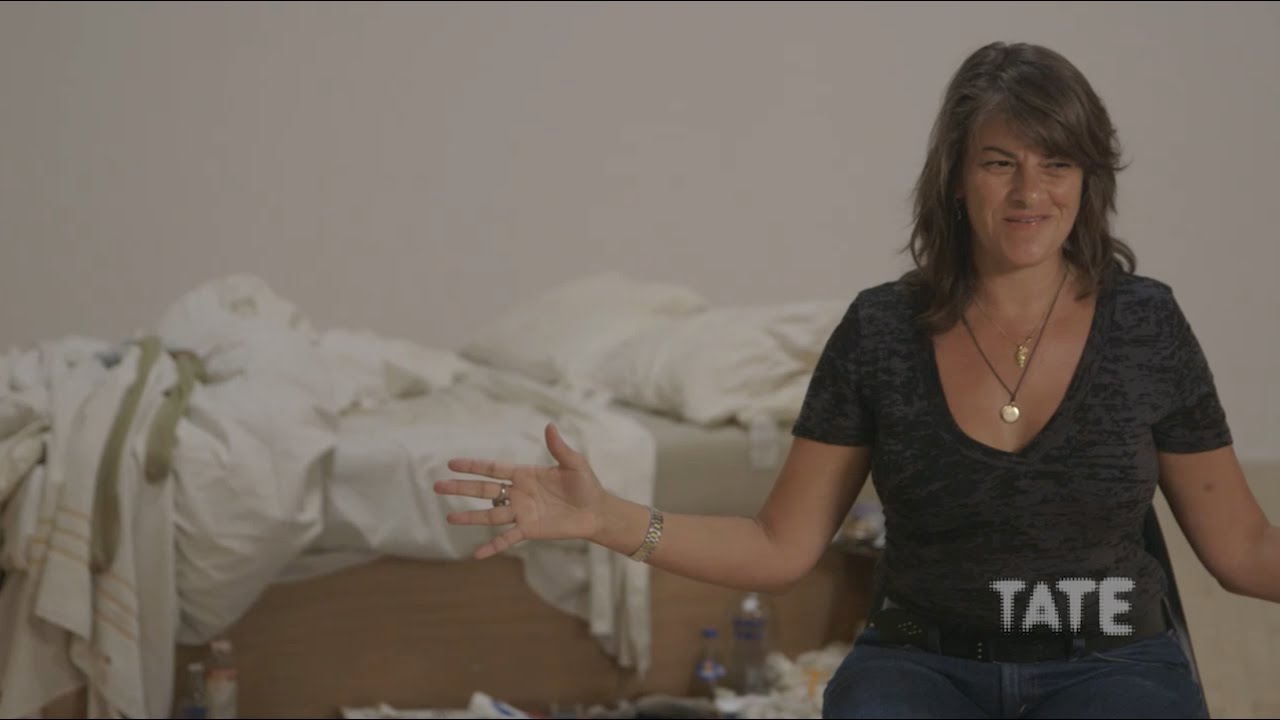
Note: An earlier version of this post appeared on our site in 2015.
Related Content:
Why You Do Your Best Thinking In The Shower: Creativity & the “Incubation Period”
John Cleese’s Philosophy of Creativity: Creating Oases for Childlike Play
Josh Jones is a writer and musician based in Durham, NC. Follow him at @jdmagness
from Art Life Culture https://ift.tt/o7aBxnK
via IFTTT
Tuesday, February 22, 2022
Kunsthalle Praha Aims to Give Prague's Art Scene Some Spark
The Kunsthalle Praha opens in a former power station with a show exploring how electricity transformed art.
from Art Life Culture https://ift.tt/hU256NZ
via IFTTT
from Art Life Culture https://ift.tt/hU256NZ
via IFTTT
The Dune Encyclopedia: The Controversial, Definitive Guide to the World of Frank Herbert’s Sci-Fi Masterpiece (1984)
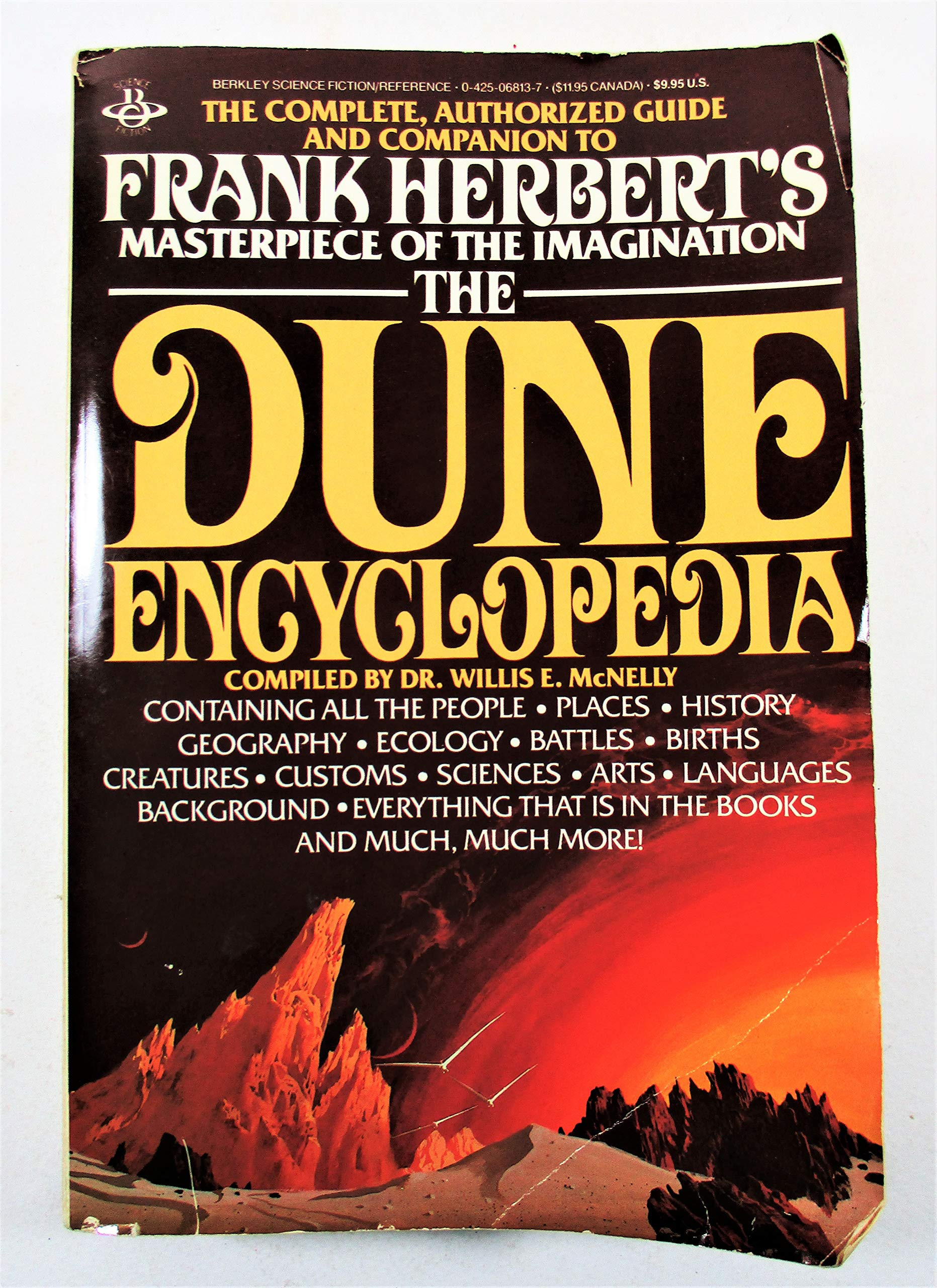
When David Lynch’s Hollywood version of Dune opened in theaters in 1984, Universal Studios distributed a printed a glossary to keep its audiences from getting confused. They got confused anyway, in part because of the film’s having been hollowed out in editing, and in part because the sheer elaborateness of Frank Herbert’s alternate reality poses potentially insurmountable challenges to faithful adaptation. Even many of the original Dune novels’ readers needed more help than a couple pages of definitions could offer. Luckily for them, the same year that saw the release of Lynch’s Dune also saw the publication of The Dune Encyclopedia, authorized by Herbert himself.
“Here is a rich background (and foreground) for the Dune Chronicles, including scholarly bypaths and amusing sidelights,” Herbert writes in the book’s introduction. “Some of the contributions are sure to arouse controversy, based as they are on questionable sources.” He couldn’t have known how right he was. Today The Dune Encyclopedia stands as what Inverse’s Ryan Britt calls “the most controversial Dune book ever”; long out of print, it may well also be the most expensive, with a current Amazon price of $1,300 in hardcover and $833 in paperback. (You can also find it online, at the Internet Archive.)
Still, The Dune Encyclopedia has its appreciators, not least the director of the latest (and most successful) cinematic attempt to realize Herbert’s vision. As Brit tells it, “an anonymous (though previously reliable) source stated that Denis Villeneuve is a big fan of The Dune Encyclopedia. But when he tried to plant references to the book in the new film, his ‘hand was slapped by the estate.'” The reason seems to involve the Encyclopedia‘s conflicts with the novels: not those written by Herbert himself but, according to the Dune Wiki, “the later two prequel trilogies and sequel duology written after Frank Herbert’s death by Brian Herbert (Frank Herbert’s son) and Kevin J. Anderson, which they state complete the original series.”
Though co-signed by the The Dune Encyclopedia‘s main author, literary scholar Willis E. McNelly, Brian Herbert and Kevin J. Anderson’s letter declaring the work’s de-canonization omits the fact “that the Encyclopedia is and always was a fallible in-universe document that openly misrepresents known history and adds historical embellishments.” It is, in other words, a book about Dune as well as a part of Dune. Not every book in our reality offers a perfectly true account of history, of course, and the same holds for the reality Frank Herbert created. This form implies the continuing possibility of expanding Dune‘s literary universe by writing the books that exist within it, not just encyclopedias and scripture but, say epic sci-fi novels as well. What fan, after all, wouldn’t want to read the Dune of Dune?
Related content:
Rare Book Featuring the Concept Art for Jodorowsky’s Dune Goes Up for Auction (1975)
The Dune Graphic Novel: Experience Frank Herbert’s Epic Sci-fi Saga as You’ve Never Seen It Before
The Glossary Universal Studios Gave Out to the First Audiences of David Lynch’s Dune (1984)
The Encyclopedia of Science Fiction: 17,500 Entries on All Things Sci-Fi Are Now Free Online
Based in Seoul, Colin Marshall writes and broadcasts on cities, language, and culture. His projects include the Substack newsletter Books on Cities, the book The Stateless City: a Walk through 21st-Century Los Angeles and the video series The City in Cinema. Follow him on Twitter at @colinmarshall or on Facebook.
from Art Life Culture https://ift.tt/m6dJ9Px
via IFTTT
La Guardia’s New Delta Terminal to be Defined by New York Artists
Six site-specific permanent artworks will celebrate the city’s energy and diversity.
from Art Life Culture https://ift.tt/tKfd8zR
via IFTTT
from Art Life Culture https://ift.tt/tKfd8zR
via IFTTT
David Byrne Answers the Internet’s Burning Questions About David Byrne
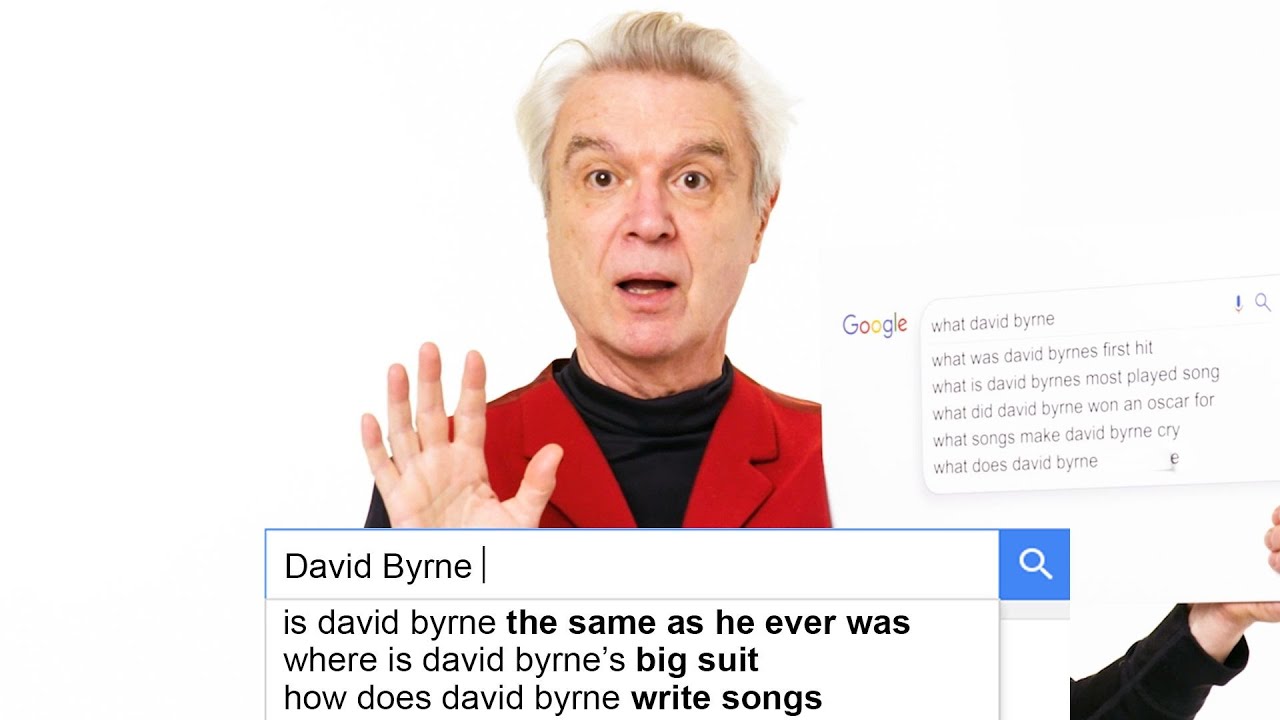
Is David Byrne the same as he ever was? Where is David Byrne’s big suit? Did David Byrne design bike racks? Above, David Byrne answers burning (or, perhaps better said, Byrne-ing) questions about himself. This video comes from the WIRED Autocomplete Interview series, where famous people answer the internet’s most searched questions about themselves. Enjoy!
If you would like to sign up for Open Culture’s free email newsletter, please find it here.
If you would like to support the mission of Open Culture, consider making a donation to our site. It’s hard to rely 100% on ads, and your contributions will help us continue providing the best free cultural and educational materials to learners everywhere. You can contribute through PayPal, Patreon, Venmo (@openculture) and Crypto. Thanks!
Related Content
David Byrne’s Unusual Forms of Visual Art: Bike Racks, Corporate Signs & Powerpoint Presentations
How David Byrne and Brian Eno Make Music Together: A Short Documentary
David Byrne: How Architecture Helped Music Evolve
from Art Life Culture https://ift.tt/3FBmE5T
via IFTTT
When Eartha Kitt Spoke Truth to Power at a 1968 White House Luncheon

Actress Eartha Kitt amassed dozens of stage and screen credits, but is perhaps most fondly remembered for her iconic turn as Catwoman in the Batman TV series, a role she took over from white actress Julie Newmar.
The producers congratulated themselves on this “provocative, off-beat” casting, executives at network affiliates in Southern states expressed outrage, and Kitt’s 9-year-old daughter, Kitt Shapiro, understood that her mother’s new gig was a “really big deal.”
As Shapiro recalled to Closer Weekly:
This was 1967, and there were no women of color at that time wearing skintight bodysuits, playing opposite a white male with sexual tension between them! She knew the importance of the role and she was proud of it. She really is a part of history. She was one of the first really beautiful black women — her, Lena Horne, Dorothy Dandridge — who were allowed to be sexy without being stereotyped. It does take a village, but I do think she helped blaze a trail.
Eartha Kitt was a trailblazer in other ways too.
Catwoman vs. the White House, director Scott Calonico’s short documentary for the New Yorker (above), uses vintage photos, clippings and footage to relate how Kitt disrupted a White House luncheon the month after her Batman debut, taking President Lyndon B. Johnson to task over the hardships faced by working parents.
Johnson was clearly under the impression that he was swinging by the White House Family Dining Room as a favor to his wife, Lady Bird, who was hosting 50 guests for the Women Doers’ Luncheon. The theme of the luncheon was “What Citizens Can Do to Help Insure Safe Streets.”
Chairman of the National Council on the Arts Roger Stevens had suggested that Kitt or actress Ruby Dee would be fine additions to the guest list in recognition for their activism with urban youth.
As Janet Mezzack details in her Presidential Studies Quarterly article, “Without Manners You Are Nothing”: Lady Bird Johnson, Eartha Kitt, and The Women Doers’ Luncheon of January 18, 1968, Kitt had an impressive track record of volunteerism.
She taught dance to Black children who could not afford lessons, testified before the House General Subcommittee on Education on behalf of the DC youth-led Rebels with a Cause, and established a non-profit organization in Watts where underprivileged youth studied traditional African and modern dance and “learned about personality development, poise, grooming, diction, and physical fitness.”
She was being vetted for a seat on President Johnson’s Citizens Advisory Board on Youth Opportunity, chaired by Vice President Hubert Humphrey.
Surely, a dream guest!
Mezzack writes:
Having selected Kitt as a guest for the upcoming luncheon, FBI clearance checks were conducted on her and other prospective guests at the White House. The FBI cleared her through normal channels. Because of previous embarrassing situations involving entertainers invited to White House functions, inquiries also were made of Roger Stevens office to determine if Kitt would “do anything to embarrass” the White House, “and the answer was no.”
Call it embarrassment for a good cause.
Johnson was unprepared for spontaneous interaction as hard hitting as Kitt’s, when she stood up to say:
Mr. President, you asked about delinquency across the United States, which we are all interested in and that’s why we’re here today. But what do we do about delinquent parents? The parents who have to go to work, for instance, who can’t spend the time with their children that they should. This is, I think, our main problem. What do we do with the children then, when the parents are off working?
Fumbling for an answer, Johnson intimated that the male policymakers behind recent Social Security Amendments that could offset costs of daycare were “really not the best judges of how to handle children.”
Perhaps Miss Kitt would like to take her concerns with the other women in attendance?
Understandably, Kitt seethed, and continued the conversation by confronting the First Lady over the war in Vietnam.
Director Calonico toggles between Kitt’s recollections of the exchange and excerpts from Mrs. Johnson’s White House audio diary, cobbling together a reconstruction that is surely faithful to the spirit of the thing, if not exactly word for word:
Kitt’s words as recalled by Mrs. Johnson:
You send the best in this country off to be shot and maimed. They rebel in the street. They will take pot and get high. They don’t want to go to school because they’re going to be snatched off from their mothers to be shot in Vietnam.
Kitt’s words as recalled by the speaker herself:
Mrs. Johnson, you are a mother too, although you have had daughters and not sons. I am a mother and I know the feeling of having a baby come out of my gut. I have a baby and then you send him off to war. No wonder the kids rebel and take pot, and Mrs. Johnson, in case you don’t understand the lingo, that’s marijuana.
That last comment seems funny now, and Calanico can’t resist infusing further dark humor with a shot of a masked Kitt tooling around in Catwoman’s campy Kittycar as the actress describes how the White House cancelled her ride home from the luncheon.
The next day’s newspapers were full of emotionally charged reports as to how Kitt’s remarks had left the hostess “stunned to tears” – a description both participants resisted.
Within weeks, North Vietnam launched the Tet Offensive, and Johnson announced he would not seek reelection.
Meanwhile Kitt’s outspokenness at the luncheon cast an instantaneous chill on her career, stateside.
She spent the next decade performing in Europe, unaware that the CIA had opened a file on her, compiling information from confidential sources in Paris and New York City as to her “loose morals.”
Her response to the most outrageous allegations in that file should make lifelong fans of feminists who were barely out of diapers when Halle Berry slipped into Catwoman’s skintight pajamas.
Calonico is right to punctuate this with Kitt’s triumphant growl.
– Ayun Halliday is the Chief Primatologist of the East Village Inky zine and author, most recently, of Creative, Not Famous: The Small Potato Manifesto. Follow her @AyunHalliday.
from Art Life Culture https://ift.tt/FkzqtWu
via IFTTT
It Was Supposed to a Spec House. Then the Builder Got Emotionally Involved.
Building a house in the Graduate Hospital neighborhood of Philadelphia was a business opportunity — that’s all. But something changed along the way.
from Art Life Culture https://ift.tt/If8Y0C2
via IFTTT
from Art Life Culture https://ift.tt/If8Y0C2
via IFTTT
Interpreting Our World
Pastel skylines. Otherworldly plant life. Portraits brimming with emotion. The World Photography Organisation reveals this year’s finalists and shortlist for the Sony World Photography Awards. It’s a line-up which, as the Jury explains, reveals “the importance of photography in interpreting our world, bringing vital humanitarian, environmental and emotional issues to the fore.” Working across landscape, portraiture and architecture, many of the 2022 shortlist respond to tensions between humanity and nature – whilst occupying the complex spaces in-between. Discover a selection of images below.

Landscape | Jonas Daley
“Orogeny” is the primary mechanism by which mountains are formed on continents. A photographer from China, Jonas Daley captures red rock systems developed during the Jurassic and Tertiary geologic periods, formed in the Himalayan orogeny. “With the uplift of the Earth’s crust, the hillside retreated – mainly through the collapse process,” Daley explains. “The remaining red sandstone has formed strange, isolated rocks and stones after long-term weathering, exfoliation and water erosion.”

Creative | Raphaël Neal
UK-based Raphaël Neal pairs cinematic portraits of teenagers with landscape imagery. The diptychs are steeped in narratives of the climate crisis, evoking heatwaves, wildfires or floods. “‘Danger’ and ‘beauty’ were the two words I kept in mind,” the artist explains. Notably, several of the subjects are young activists. “I wanted to show the different attitudes of today’s youth: some look defiant and strong, but others are frightened. I didn’t want to show this ultra-combative vision of youth that exists.”

Architecture & Design | Serena Dzenis
“Do you think that the first space colony created by mankind will happen during your lifetime?” asks Australian photographer Serena Dzenis. “Technology has advanced so quickly over the past few years. In the overall scheme of things, we are just a flash in the pan and yet we have done so much to change our planet. Humankind is leaving a lasting impact on Earth.” Taken in Iceland during the pandemic, these dreamlike, pastel-toned compositions transform industrial towers into otherworldly constructions.

Wildlife & Nature | Oana Baković
Romanian artist Oana Baković presents hyperreal depictions of flowers and plants. In the above image, bright purple petals stand out against an endless sea of lurid green stems. Taken from intriguing, low-down perspectives, Baković offers a fresh take on floral photography. The results are almost alien, highlighting the natural world from the inside. Seemingly small plants become towering giants in front of Baković’s lens, rendered in rich and saturated colour palettes.

Landscape | Majid Hojjati
“Mountains, forests, plains and clear blue skies are all creations that come to mind when we hear the word ‘life’,” says Iranian photographer Majid Hojjati, who captures such scenes as found on billboards across the region. Positioned in front of snowy peaks, clusters of trees and blue skies, they’re a symbol of human intervention in the landscape. More widely, the series asks questions about post-truth and idealism: the picture-postcards remind us that what we’re looking at is, put simply, an image of an image.

Landscape | Gareth Iwan Jones
“This project was born of the Covid-19 lockdowns and their impact upon my work as a portrait photographer,” explains Gareth Iwan Jones, who was inspired by Wiltshire during the pandemic. “The distinctive landscape features many knolls with lone trees raised above the horizon line. Unable to photograph people, I turned to my love of trees. I chose to photograph against dusk skies and lit the trees with drones to create an otherworldly impression.”
Sony World Photography Awards Exhibition, 13 April – 2 May 2022, Somerset House, London
Image Credits:
1. © Majid Hojjati, Iran, Islamic Republic Of, Shortlist, Professional competition, Landscape, Sony World Photography Awards 2022
2. © Jonas Daley, China Mainland, Shortlist, Professional competition, Landscape, Sony World Photography Awards 2022
3. © Raphaël Neal, United Kingdom, Finalist, Professional competition, Creative, Sony World Photography Awards 2022
4. © Serena Dzenis, Australia, Shortlist, Professional competition, Architecture & Design, Sony World Photography Awards 2022
5. © Oana Baković, Romania, Finalist, Professional competition, Wildlife & Nature, Sony World Photography Awards 2022
6. © Majid Hojjati, Iran, Islamic Republic Of, Shortlist, Professional competition, Landscape, Sony World Photography Awards 2022
7. © Gareth Iwan Jones, United Kingdom, Finalist, Professional competition, Landscape, Sony World Photography Awards 2022
The post Interpreting Our World appeared first on Aesthetica Magazine.
from Art Life Culture https://ift.tt/DVgYlCG
via IFTTT
Subscribe to:
Posts (Atom)
Making Strategic Decisions for Brand Narrative in a Rapidly Evolving Landscape
Deciding to innovate strategically, not blindly, empowers you to lead with confidence. ...

-
What does it take to wear an ancient Roman toga with dignity and grace? Judging from the above demonstration by Dr Mary Harlow , Associa...
-
Image bySociety for Culture, Art and International Cooperation Adligat, via Wikimedia Commons You could say that Haruki Murakami is a Japa...
-
Aesthetica takes a look at the six months ahead, spotlighting one unmissable show for each month. This selection spans the globe, from explo...


