Thursday, December 23, 2021

What Does It Take to Be a Great Artist?: An Aging Painter Reflects on His Creative Process & Why He Will Never Be a Picasso

What does it take to be an artist? In the short film above by Jakub Blank, artist Bill Blaine meditates on the question as he strolls around his home and studio and talks about his work. Blaine has aged into the realization that making art is what fulfills him, even though it probably won’t bring him immortal fame. “I’ve thought about this,” he says. “I would probably be a happier person if I were painting all the time.” Bloated egos belong to the young, and Blaine is glad to put the “absurd” ambitions of youth behind him. “In the old days,” he muses, “your ego was so big, that you wanted to be better than everybody else, you wanted to be on the cutting edge of things… at least with old age, you don’t have a lot of that.”

And yet, though he seems to have everything an artist could want in the material sense – a palatial estate with its own well-appointed studio – a melancholy feeling of defeat hangs over the artist. Sadness remains in his ready smile as he gently interrogates himself, “So then, why the hell aren’t you painting all the time?” Blaine chuckles as he contemplates seeing a therapist, an idea he doesn’t seem to take particularly seriously. Aside from a few outliers, maybe the psychiatric profession hasn’t taken the creative impulse particularly seriously either. One psychoanalyst who did, Otto Rank, wrote in Art and Artist of the importance of creativity to all human development and activity.


“The human urge to create,” Rank argued, “does not find expression in works of art alone. It also produces religion and mythology and the social institutions corresponding to these. In a word, it produces the whole culture.” Everything we do, from baking bread to writing symphonies, is a creative act, in that we take raw materials and make things that didn’t exist before. In Western culture, however, the role of the artist has been distorted. Artists are elevated to the status of genius, or relegated to mediocrities, at best, disposable deadbeats, at worst. Blaine surely deserves his lot of happiness from his work. Has he been undermined by self-doubt?

His vulnerability and the sharp candor of his observations leave us with a portrait of a man almost in agony over the knowledge, he says – again using the accusatory second person – that “you’re not going to be the next Picasso or the next Frank Stella or whatever else.” There’s more to the negative comparisons than wounded vanity. He should feel free to do what he likes, but he lacks what made these artists great, he says:

You have to be obsessive, you really do. Compulsive. And I’m not enough, unfortunately. Had a certain amount of talent, just didn’t have the obsession apparently. I think that’s what great artists have. They can’t let it go. And eventually, whatever they do, that’s their art, that’s who they are.

Blaine contrasts greatness with the work of unserious “dilettantes” who may approximate abstract expressionist or other styles, but whose work fails to manifest the personality of the artist. “You can see through it,” says Blaine, wincing. Shot in his “home and studio in Mount Dora, Florida,” notes Aeon, the film is “full of his original paintings and photographs. Blaine offers his unguarded thoughts on a range of topics related to the generative process.”

Artists are rarely their own best critics, and Blaine’s assessments of his work can seem withering when voiced over Blank’s slideshow presentations. But as he opens up about his creative process, and his perception of himself as “too bourgeois” to really make it, he may reveal much more about the struggles that all artists — or all creative people — face than he realizes.

via Aeon

Related Content: 

The Long Game of Creativity: If You Haven’t Created a Masterpiece at 30, You’re Not a Failure

The 10 Paradoxical Traits of Creative People, According to Psychologist Mihaly Csikszentmihalyi (RIP)

60-Second Introductions to 12 Groundbreaking Artists: Matisse, Dalí, Duchamp, Hopper, Pollock, Rothko & More

Josh Jones is a writer and musician based in Durham, NC. Follow him at @jdmagness

What Does It Take to Be a Great Artist?: An Aging Painter Reflects on His Creative Process & Why He Will Never Be a Picasso is a post from: Open Culture. Follow us on Facebook and Twitter, or get our Daily Email. And don't miss our big collections of Free Online Courses, Free Online Movies, Free eBooksFree Audio Books, Free Foreign Language Lessons, and MOOCs.


from Art Life Culture https://ift.tt/3H9gz5s
via IFTTT

Watch the Building of the Empire State Building in Color: The Creation of the Iconic 1930s Skyscraper From Start to Finish

Ambition is not unknown in the New York City of the 2020s, but the New York City of the 1920s seems to have consisted of nothing but. Back then, where else would anyone dare to propose the tallest building in the world — much less end up with the job twelve days ahead of schedule and $9 million under budget? The construction of the Empire State Building began in January of 1930, just three months after the Wall Street Crash that began the Great Depression. Though economic conditions kept the project from attaining profitability until the 1950s (and stuck it with the nickname “Empty State Building”), it nevertheless stood in symbolic defiance of those hard times — and, ultimately, came to stand for New York and indeed the United Sates of America itself.

You can see footage of the Empire State Building’s construction in the compilation above, which gathers clips from contemporary newsreels and other sources and presents them in “restored, enhanced and colorized” form.


These images showcase the history-making skyscraper’s technical innovations as well as its marshaling of labor at an immense scale: at the height of construction, more than 3,500 workers were involved. That most of them were recent immigrants from countries like Ireland and Italy reflects the popular image of early 20th-century America as a “land of opportunity”; the sheer scale of the skyscraper they built reflects the previously unimaginable works made possible by America’s resources.

The Empire State Building set records, and over the 90 years since its opening has remained a difficult achievement to surpass. Only in 1970 did it lose its title of the tallest building in New York City, to Minoru Yamasaki’s World Trade Center — and then regained it in 2001 after the latter’s collapse. Today, one can easily point to much taller and more technologically advanced skyscrapers all around the world, but how many of them are as beloved or rich with associations? Back in 1931, architecture critic Douglas Haskell described the Empire State Building as “caught between metal and stone, between the idea of ‘monumental mass’ and that of airy volume, between handicraft and machine design, and in the swing from what was essentially handicraft to what will be essentially industrial methods of fabrication” — as good an explanation as any of why they don’t build ’em like this anymore.

Related Content:

New York’s Lost Skyscraper: The Rise and Fall of the Singer Tower

Watch the Completely Unsafe, Vertigo-Inducing Footage of Workers Building New York’s Iconic Skyscrapers

A New Interactive Map Shows All Four Million Buildings That Existed in New York City from 1939 to 1941

An Introduction to the Chrysler Building, New York’s Art Deco Masterpiece, by John Malkovich (1994)

Watch the Building of the Eiffel Tower in Timelapse Animation

Based in Seoul, Colin Marshall writes and broadcasts on cities and culture. His projects include the book The Stateless City: a Walk through 21st-Century Los Angeles and the video series The City in Cinema. Follow him on Twitter at @colinmarshall or on Facebook.

Watch the Building of the Empire State Building in Color: The Creation of the Iconic 1930s Skyscraper From Start to Finish is a post from: Open Culture. Follow us on Facebook and Twitter, or get our Daily Email. And don't miss our big collections of Free Online Courses, Free Online Movies, Free eBooksFree Audio Books, Free Foreign Language Lessons, and MOOCs.


from Art Life Culture https://ift.tt/3sJO9vd
via IFTTT

Playing with Perception

The work of Thomas Demand (b. 1964) may, at first glance, appear to show empty, mundane interiors. Don’t be fooled. These are, in fact, highly politically charged locations that have been painstakingly re-staged in paper and cardboard using found photographs as a guide. Room (Zimmer) (1996), for exam- ple, is inspired by photographs of the hotel room in which Scientology founder L. Ron Hubbard developed his theory of Dianetics, whilst Kitchen (2004) is based on shots taken by soldiers of the compound in Tikrit where Sadam Hussein was captured. Over the years, Demand has crafted a unique compositional process that is both Constructivist and Deconstructionist – exploring the life cycles of models and their synchronisation or juxtaposition with reality. Once the artist photographs these impressively realistic-looking sets with a large format camera, he destroys them, leaving only the still image in its place.

French philosopher Jacques Rancière describes these compositions as “mirrors” – leading to the title of Demand’s first show in Russia. Mirror Without Memory is spread across two floors, bringing together pieces from 1991 to 2021. Curator Katya Inozemtseva expands: “The various combinations of the exhibition become part of a lengthy process of seeking, selecting, constructing / cutting and photographing objects, imparting a specific sense of temporariness that merges with other ‘temporarinesses’: our unreliable memory, the washing out of pictures from the first pages of search engines and their immersion into an endless digital archive of images ‘on demand.’”

Garage Museum, Moscow | Until 30 January

garagemca.org/en

Image Credits:
1. Thomas Demand, Repository, 2018. C-Print/Diasec. Courtesy of the artist and Matthew Marks Gallery, New York and Los Angeles; Esther Schipper Galerie, Berlin; Galerie Sprüth Magers, London, Berlin, and Los Angeles; Taka Ishii Gallery, Tokyo. © Thomas Demand, VG Bild-Kunst, Bonn/UPRAVIS, Moscow.
2. Thomas Demand, Diamond Princess, 2020. C-Print/Diasec. Courtesy of the artist and Matthew Marks Gallery, New York and Los Angeles; Esther Schipper Galerie, Berlin; Galerie Sprüth Magers, London, Berlin, and Los Angeles; Taka Ishii Gallery, Tokyo © Thomas Demand, VG Bild-Kunst, Bonn/UPRAVIS, Moscow

The post Playing with Perception appeared first on Aesthetica Magazine.


from Art Life Culture https://ift.tt/3JdXrFd
via IFTTT

Why “White Christmas,” “Here Comes Santa Claus,” “Let It Snow,” and Other Classic Christmas Songs Come from the 1940s

Cast your mind back, if you will, to Christmastime eighty years ago, and imagine which holiday songs would have been in the air — or rather, which ones wouldn’t have been. You certainly wouldn’t have heard the likes of “Jingle Bell Rock” or “Rockin’ Around the Christmas Tree,” rock-and-roll itself not yet having emerged in the form we know today. Even the thoroughly un-rocking “Silver Bells” wouldn’t be recorded until 1951, for the now-forgotten Bob Hope film The Lemon Drop Kid. What of children’s favorites like “Here Comes Santa Claus,” “Rudolph, the Red-Nosed Reindeer,” and “Frosty the Snowman”? None were popular until Gene Autry laid them down in 1947, 1949, and 1950, respectively.

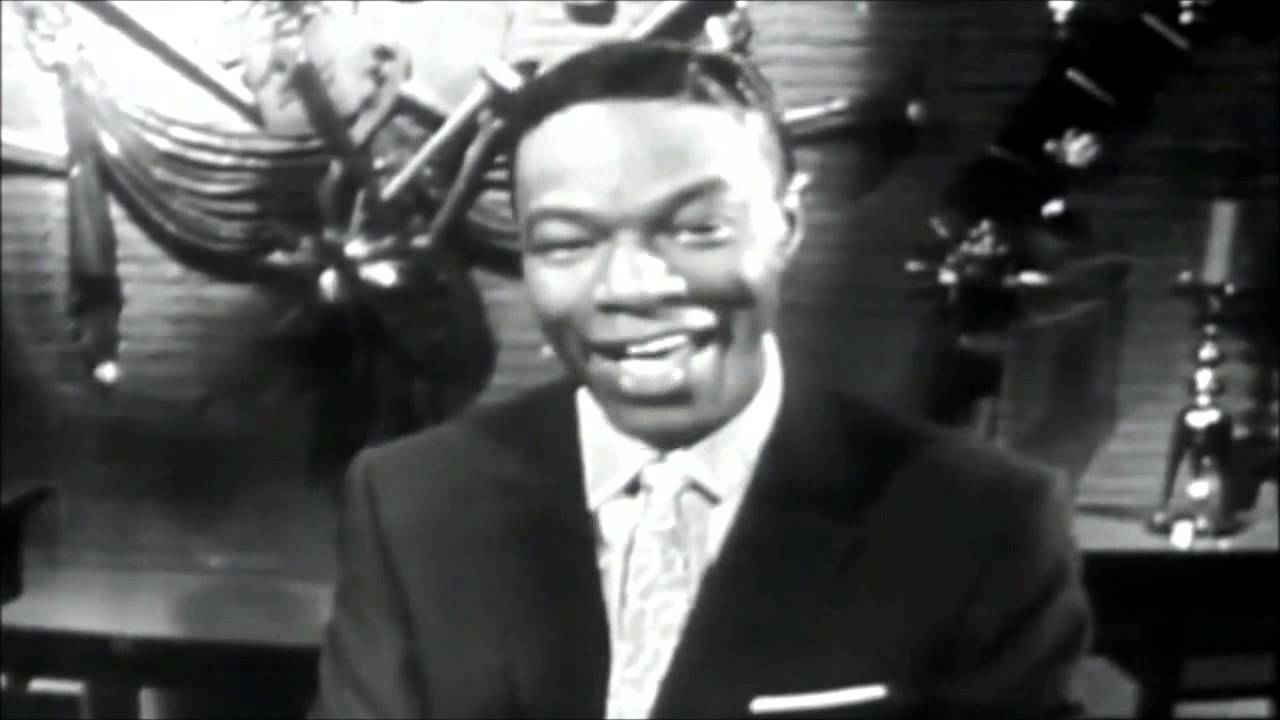
Even “The Christmas Song,” whose most beloved version was recorded by Nat King Cole, wasn’t written until 1945 (as was  “Let It Snow”). The year before that brought “Have Yourself a Merry Little Christmas”; the year before that, “Santa Claus Is Comin’ to Town” and “I’ll Be Home for Christmas.” That was recorded first and most definitively by Bing Crosby, the singer most closely identified with the 1940s Christmas-music boom. That boom began, as the Cheddar Explains video at the top of the post tells it, with Crosby’s Christmas Day 1941 rendition of “White Christmas,” just weeks after the attack on Pearl Harbor.

“It’s no coincidence that the boom in Christmas tunes came during World War II, when tens of thousands of American soldiers were abroad defending their country, no doubt longing for the simple warmth of home,” writes The Atlantic‘s Eric Harvey. “Irving Berlin invested ‘White Christmas’ with the sort of meterological longing that comes from living in Southern California, but troops picked up on the sentiment, making the song a classic in this regard.” This also happened to be the zenith of the golden age of radio (a compilation of whose Christmas broadcasts we featured last year here on Open Culture). “By the 1940s, radios were a default presence in most American homes. And by the late 1940s television was growing out of radio, and through the 1950s the pair set holiday living rooms around the country aglow with musical performances.”

That most popular Christmas songs still come from the 1940s and 50s (a Spotify playlist of which you can find here) has given rise to theories of a Baby-Boomer conspiracy to preserve their own childhoods at all costs to the culture. But then, as Christopher Ingraham writes in The Washington Post, “the postwar era really was an exceptional time in American history: jobs were plentiful, the economy was booming, and America’s influence on the world stage was at its peak.” Thus “what we now think of as the holiday aesthetic isn’t just about a particular time of the year — it’s also very much about a particular time of American history.” This aligns with the perception that Christmas has turned from a religious holiday into an American one. But take it from me, an American living in Korea: even on the other side of the world, you can’t escape its songs.

Related Content:

What Makes Music Sound Like Christmas Music? Hear the Single Most Christmassy Chord of All Explained

Stream 48 Hours of Vintage Christmas Radio Broadcasts Featuring Orson Welles, Bob Hope, Frank Sinatra, Jimmy Stewart, Ida Lupino & More (1930-1959)

David Bowie & Bing Crosby Sing “The Little Drummer Boy” (1977)

Stream 22 Hours of Funky, Rocking & Swinging Christmas Albums: From James Brown and Johnny Cash to Christopher Lee & The Ventures

The Story of The Pogues’ “Fairytale of New York,” the Boozy Ballad That Has Become One of the Most Beloved Christmas Songs of All Time

Stream a Playlist of 79 Punk Rock Christmas Songs: The Ramones, The Damned, Bad Religion & More

Based in Seoul, Colin Marshall writes and broadcasts on cities and culture. His projects include the book The Stateless City: a Walk through 21st-Century Los Angeles and the video series The City in Cinema. Follow him on Twitter at @colinmarshall or on Facebook.

Why “White Christmas,” “Here Comes Santa Claus,” “Let It Snow,” and Other Classic Christmas Songs Come from the 1940s is a post from: Open Culture. Follow us on Facebook and Twitter, or get our Daily Email. And don't miss our big collections of Free Online Courses, Free Online Movies, Free eBooksFree Audio Books, Free Foreign Language Lessons, and MOOCs.


from Art Life Culture https://ift.tt/3pkJCwS
via IFTTT

The Artists We Lost in 2021, in Their Words

Some artists held the spotlight for generations. Others left us lamenting careers cut short. Here is a tribute to those we lost this year.

from Art Life Culture https://ift.tt/30YdQww
via IFTTT

5 Things to Do This Weekend

Our critics and writers have selected noteworthy cultural events to experience virtually and in person in New York City.

from Art Life Culture https://ift.tt/3EoCRi2
via IFTTT

Wednesday, December 22, 2021

Joseph E. Yoakum Isn’t Who You Think

The self-taught artist’s landscapes are unsettling but thoroughly absorbing, as this major survey of over 100 drawings at MoMA makes clear.

from Art Life Culture https://ift.tt/3swjwZQ
via IFTTT

A Century in Focus

A new retrospective of work by photographer Imogen Cunningham (1883-1976) at Seattle Art Museum explores her extraordinary range. From botanical studies to portraits, nudes and street shoots, the American-born artist and member of the influential f/64 group never stopped experimenting throughout her 70-year career.

Cunningham was born in Portland and raised in the Pacific Northwest. She began experimenting with photography as a teenager, in a darkroom built by her father in the family woodshed. After graduating with a degree in chemistry and apprenticing for photographers in her home city of Seattle as well as in Dresden, Germany, Cunningham opened Seattle’s first art photography studio in 1910. She married the printmaker Roi Partridge, and in 1917 went to live with him in San Francisco.

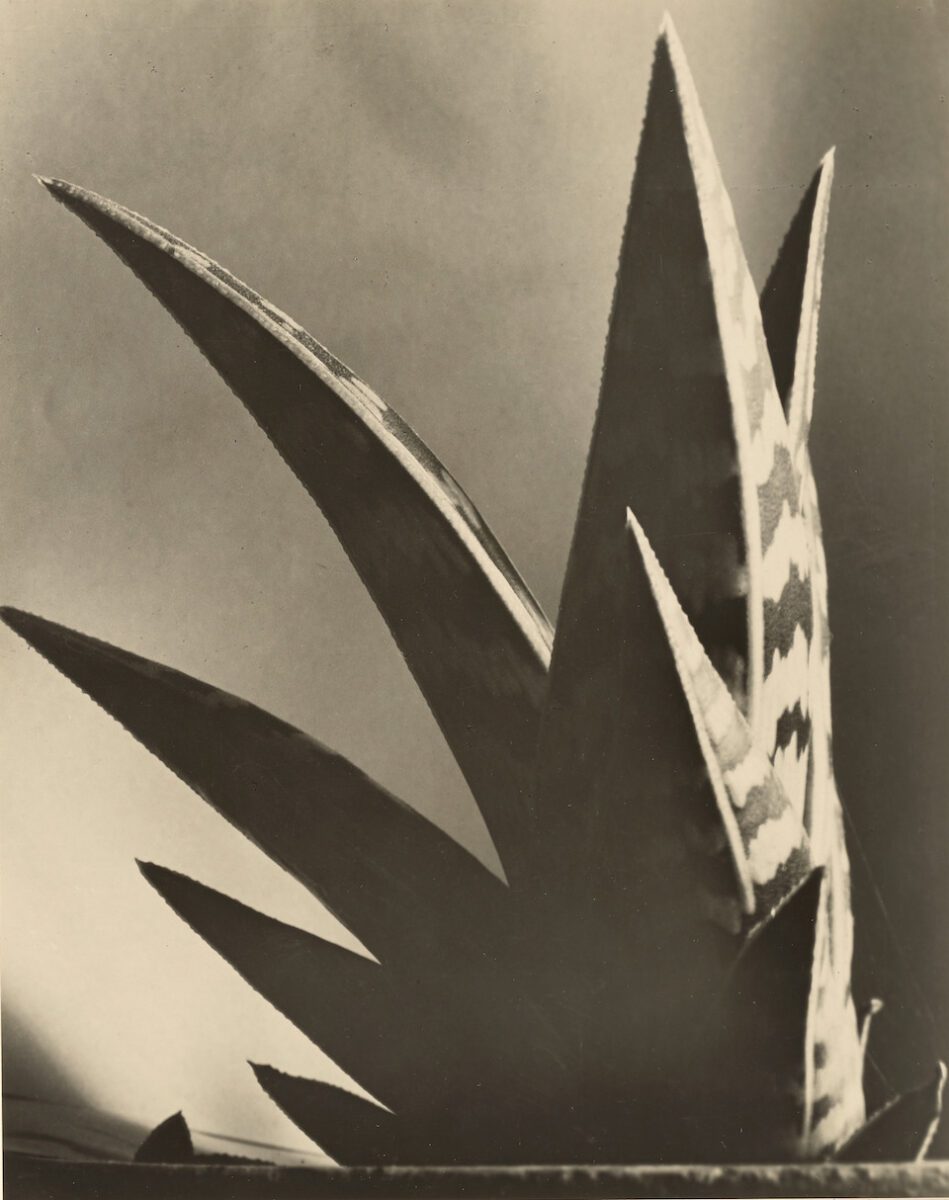
It was there that the lens-based artist created some of her most celebrated modernist photographs, whilst balancing her commitments as a mother to young children. In pieces such as Magnolia Blossom (1925), clarity of focus and a close-up perspective – at odds with the prevailing pictorialist style in photography – are used to create hyperreal yet sensuous studies of natural forms. Works like these were included in a major exhibition in Stuttgart, Germany, in 1925, bringing Cunningham to international attention. At the same time, California’s bohemian and glamorous social scene provided a rolling cast of portrait sitters, from the artists Frida Kahlo and Morris Graves to actors like Cary Grant and Spencer Tracy, all of whom Cunningham captured for Vanity Fair. This exhibition also features iconic shots of dancer Martha Graham, taken during a 1931 session, showing dramatic close-ups of the face and body.

Cunningham was always forging connections with other creative spirits, and was an early member of the f/64 group founded in the Bay Area in 1932, featuring luminaries such as Ansel Adams, Edward Weston and Dorothea Lange. This group became central to the turn from pictioralism, with its hazy, painterly approach, to the sharp focus and clean lines of modernist photography. Works from a number of artists associated with the collective, many of whom were an inspiration to Cunningham, are shown alongside her own contributions to the group in a dedicated gallery space.

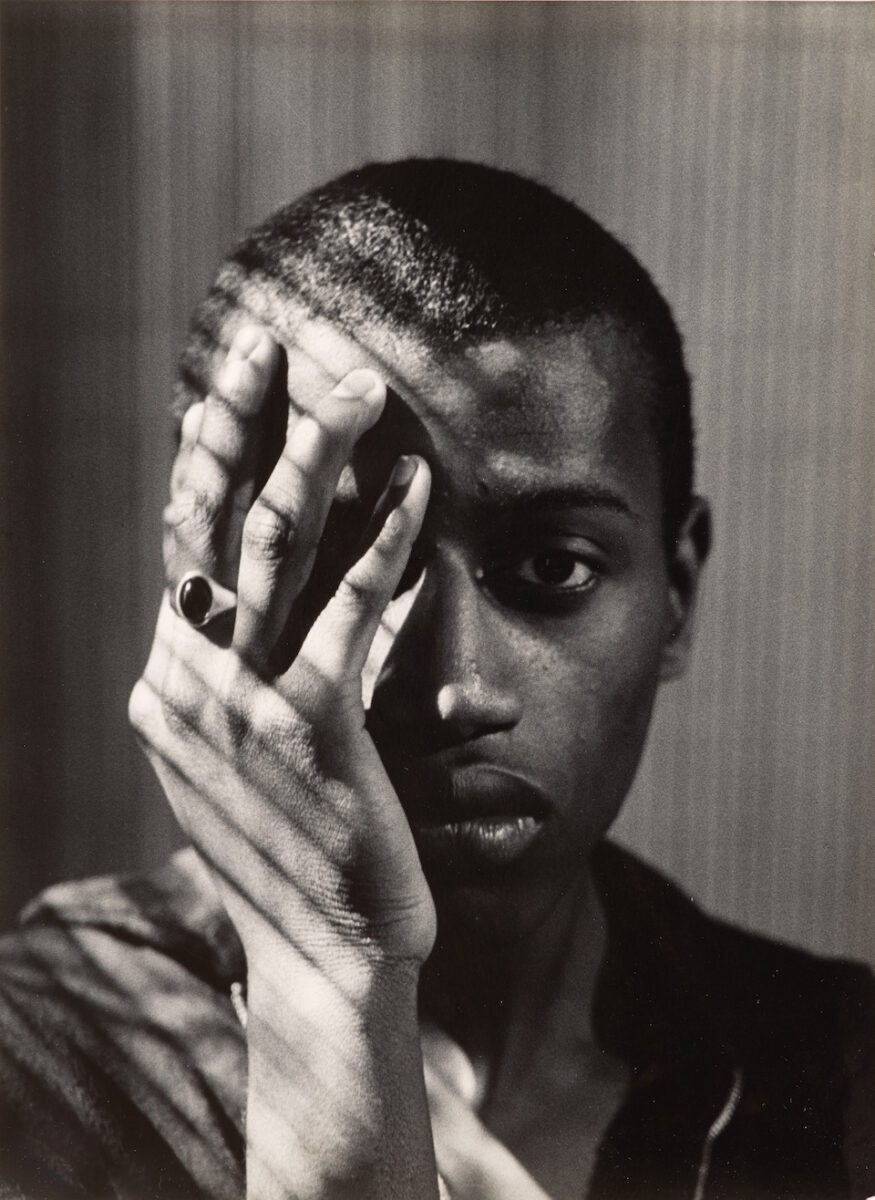
As Amanda Cruz of Seattle Art Museum notes, the artist “was underappreciated for most of her career, only finding recognition in her last years.” In spite of this, the photographer continued to invent and explore, and to champion and collaborate with other artists. In later years, street photography became a key interest, allowing Cunningham to capture the spirit of the American anti-war and civil rights movements. In the last decade of her life, a number of major retrospectives were finally offered to her.

This show offers viewers the chance to witness an inspiring and expansive view of the photographer’s chosen subjects, which Cunningham once described as “anything the light touches.” As Carrie Dedon, curator at SAM, notes, this body of work “reveals an endlessly curious, innovative, and determined mind that places her as one of the most important photographers of the last century.”

Imogen Cunningham: A Retrospective runs at Seattle Art Museum until 6 February. Find out more here.

Words: Greg Thomas

Image Credits:
1. Martha Graham, Dancer, 1931, Imogen Cunningham, American, 1883-1976, gelatin silver print, 7 5/16 ~ 9 15/16 in., The J. Paul Getty Museum, Los Angeles, Gift of Daniel Greenberg and Susan Steinhauser, 2016.173.18, © 2021 The Imogen Cunningham Trust.
2. Two Callas, 1925/1929, Imogen Cunningham, American, 1883–1976, gelatin silver print, 11 13/16 × 8 7/8 in., The Art Institute of Chicago, Julien Levy Collection, Gift of Jean Levy and the Estate of Julien Levy, 1988.157.24, © 2021 The Imogen Cunningham Trust. 
3. Aloe, 1925, Imogen Cunningham, American, 1883-1976, gelatin silver print, 8 13/16 ~ 6 1/2 in., The J. Paul Getty Museum, Los Angeles, 87.XM.74.1, © 2021 The Imogen Cunningham Trust
4. Stan, San Francisco, 1959, Imogen Cunningham, American, 1883 – 1976, gelatin silver print, 9 1/2 × 7 1/16 in., Collection of The Imogen Cunningham Trust, © 2021 The Imogen Cunningham Trust

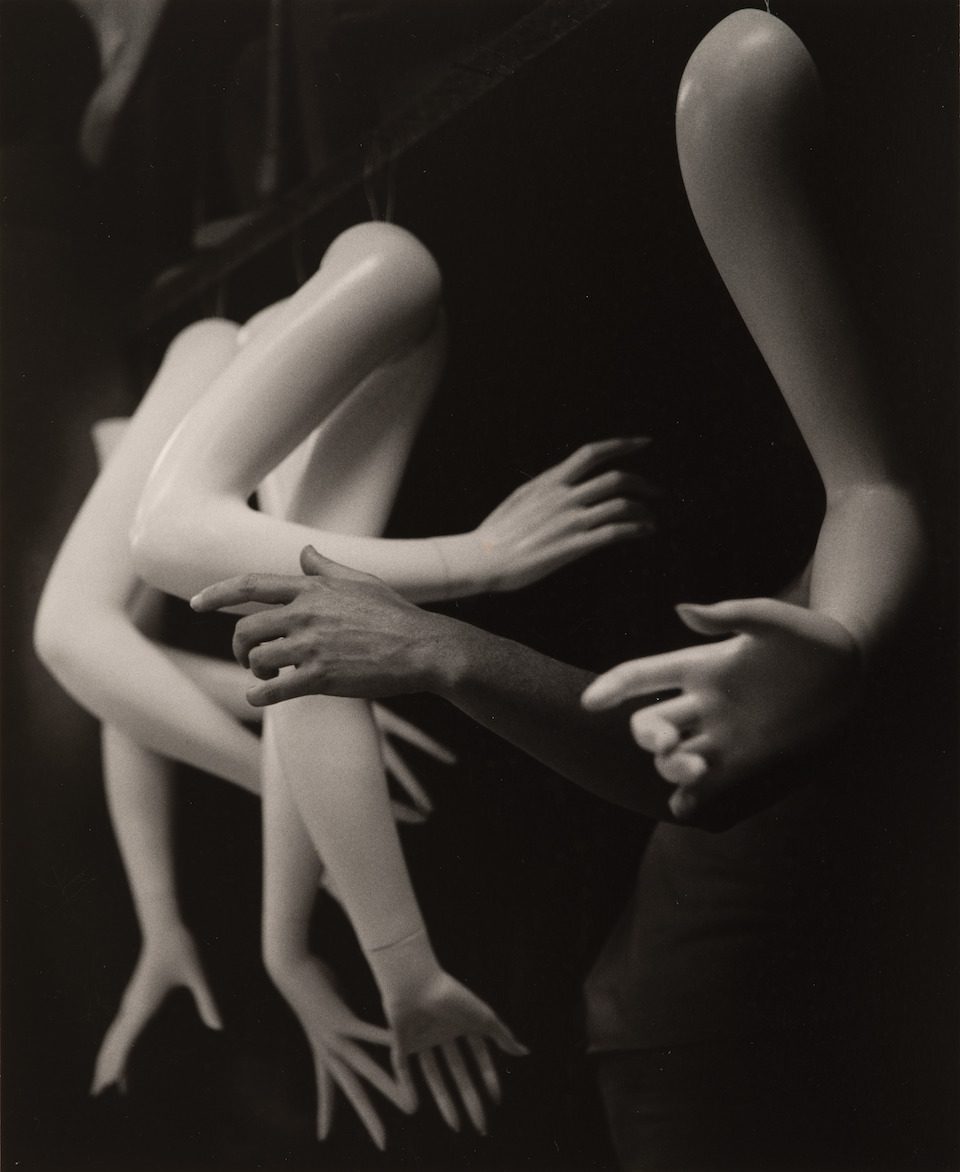
5. Another Arm, 1973, Imogen Cunningham, American, 1883 – 1976, gelatin silver print, 9 1/8 × 7 1/2 in., Collec tion of The Imogen Cunningham Trust, © 2021 The Imogen Cunningham Trust

The post A Century in Focus appeared first on Aesthetica Magazine.


from Art Life Culture https://ift.tt/3ElNoKX
via IFTTT

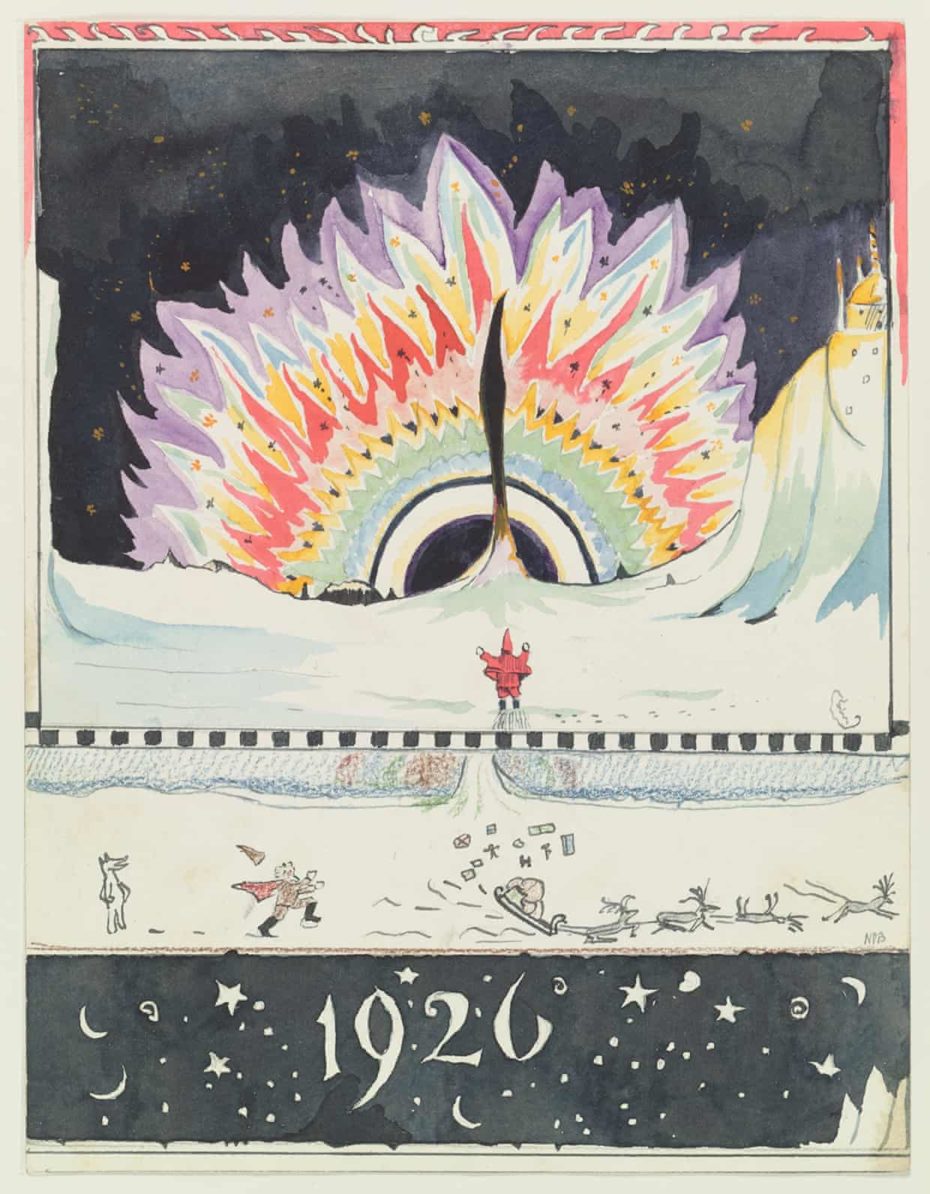
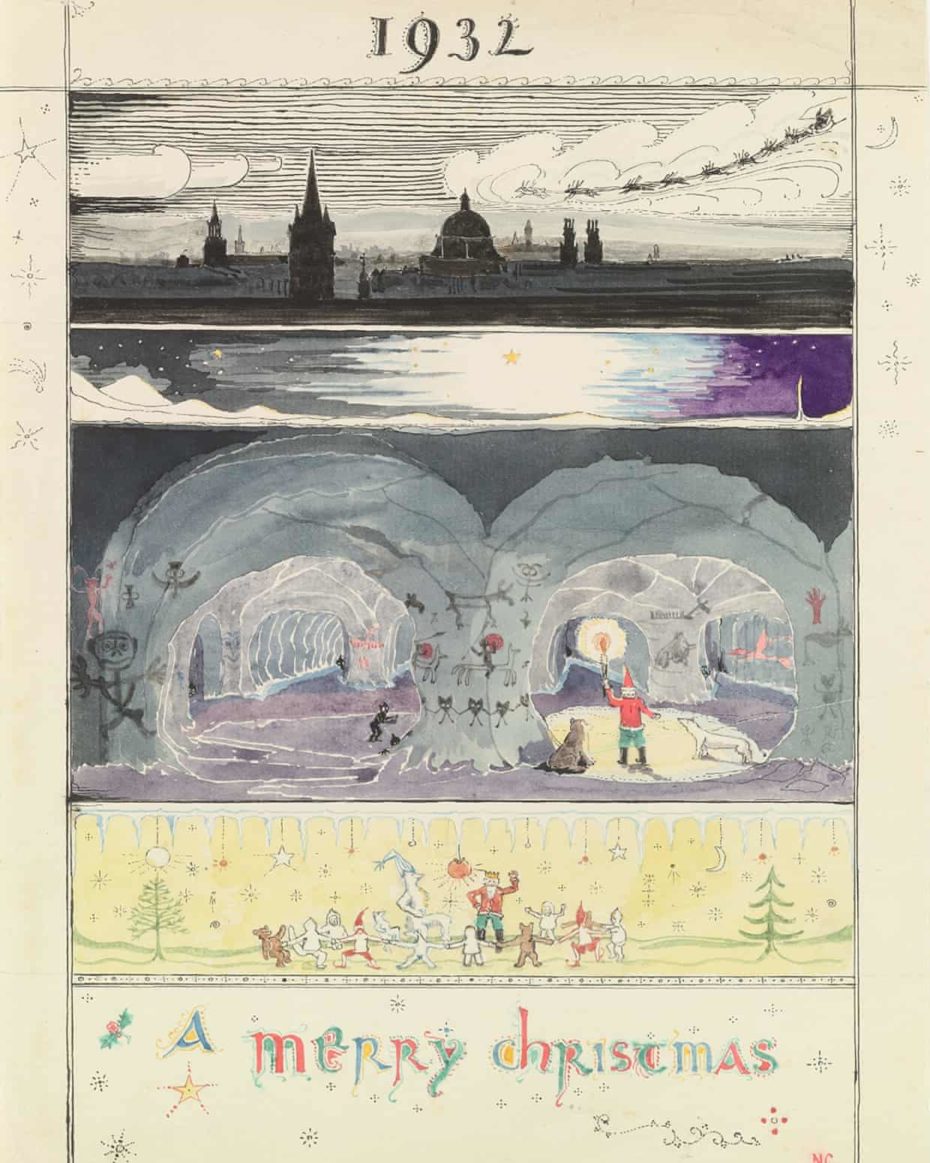
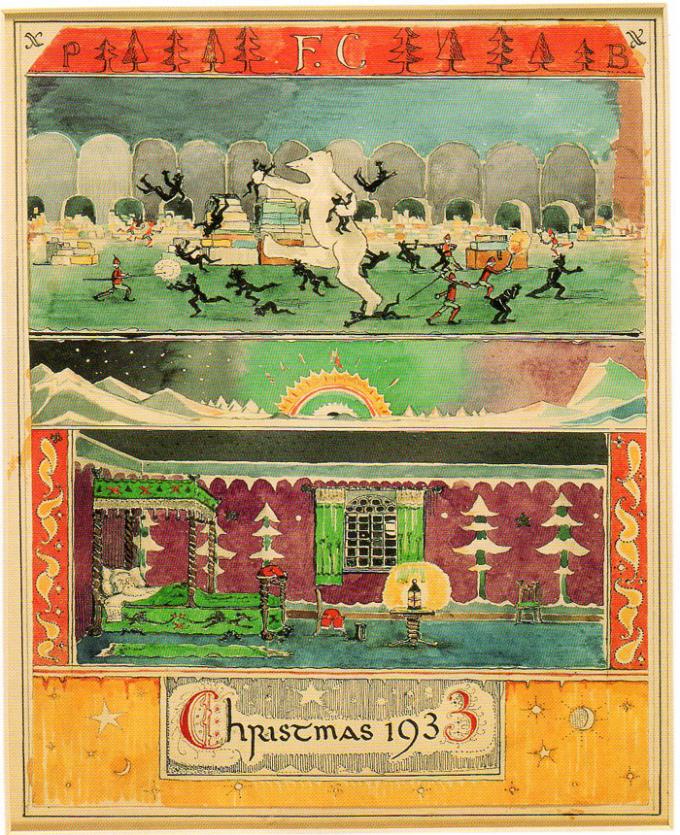
J.R.R. Tolkien Sent Illustrated Letters from Father Christmas to His Kids Every Year (1920-1943)

It doesn’t take children long to suspect that Santa Claus is actually their parents. But if Mom and Dad demonstrate sufficient commitment to the fantasy, so will the kids. This must have held even truer for the family of the 20th century’s most celebrated creator of fantasies, J. R. R. Tolkien. Before Tolkien had begun writing The Hobbit, let alone the Lord of the Rings trilogy, he was honing his signature storytelling and world-building skills by writing letters from Father Christmas. The toddler John Tolkien and his infant brother Michael received the first in 1920, just after their Great War veteran father was demobilized from the army and made the youngest professor at the University of Leeds. Another would come each and every Christmas until 1943, two more children and much of a life’s work later.

Every year, Tolkien’s Father Christmas had a great deal to report to John, Michael, and later Christopher and Priscilla. Apart from the usual hassle of assembling and delivering gifts, he had to contend with a host of other challenges including but not limited to attacks by marauding goblins and the accidental destruction of the moon.


The cast of characters also includes an unreliable polar-bear assistant and his cubs Paksu and Valkotukka, the sound of whose names hints at Tolkien’s interest in language and myth. Since the publication of the collected Letters From Father Christmas a few years after Tolkien’s death, enthusiasts have identified many traces of the qualities that would later emerge, fully developed, in his novels. The spirit of adventure is there, of course, but so is the humor.

Understanding seemingly from the first how to fire up a young reader’s imagination, the multitalented Tolkien accompanied each letter from Father Christmas with an illustration. Colorful and evocative, these works of art depict the scenes of both mishap and revelry described in the correspondence (itself stamped with a Tolkien-designed seal from the North Pole). How intensely must young John, Michael, Christopher, and Priscilla have anticipated these missives in the weeks — even months — leading up to Christmas. And how astonishing it must have been, upon much later reflection, to realize what attention their father had devoted to this family project. Growing up Tolkien no doubt had its downsides, as relation to any famous writer does, but unmemorable holidays can’t have been one of them.

via Messy Nessy

Related Content:

Read J. R. R. Tolkien’s “Letter From Father Christmas” To His Young Children

Discover J. R .R. Tolkien’s Personal Book Cover Designs for The Lord of the Rings Trilogy

The Only Drawing from Maurice Sendak’s Short-Lived Attempt to Illustrate The Hobbit

110 Drawings and Paintings by J.R.R. Tolkien: Of Middle-Earth and Beyond

When Salvador Dalí Created Christmas Cards That Were Too Avant-Garde for Hallmark (1960)

Andy Warhol’s Christmas Art

Based in Seoul, Colin Marshall writes and broadcasts on cities and culture. His projects include the book The Stateless City: a Walk through 21st-Century Los Angeles and the video series The City in Cinema. Follow him on Twitter at @colinmarshall or on Facebook.

J.R.R. Tolkien Sent Illustrated Letters from Father Christmas to His Kids Every Year (1920-1943) is a post from: Open Culture. Follow us on Facebook and Twitter, or get our Daily Email. And don't miss our big collections of Free Online Courses, Free Online Movies, Free eBooksFree Audio Books, Free Foreign Language Lessons, and MOOCs.


from Art Life Culture https://ift.tt/32wLiL2
via IFTTT

The 850 Books a Texas Lawmaker Wants to Ban Because They Could Make Students Feel Uncomfortable

“Who’s afraid of critical race theory?” asked lawyer, legal scholar and Harvard professor Derrick Bell in a 1995 essay. Bell helped pioneer the discipline in the 70s, and until recently, it remained mostly confined to academic journals, grad school seminars and the pages of progressive magazines. Now the phrase is everywhere. What happened? Did radical scholars force third graders to read footnotes? Or did conservatives show up fifty years late to a conversation, skip the reading, and decide the best way to respond was to lash out indiscriminately at every identity and civil rights issue that makes them uncomfortable, starting with kindergarten and working their way up? Maybe Bell’s question has answered itself.

In the recent moral panic over CRT, the term has become a denunciation, a shibboleth that can apply to any history, civics, or literature lesson broadly construed, whether taught through current events, fiction, poetry, memoir, nonfiction, or any material — to use the language of the “anti-CRT” Texas House Bill 3979 — that might make a student “feel discomfort, guilt, anguish, or any other form of psychological distress on account of the individual’s race or sex.” Connections to Bell’s critical race theory are tenuous, at best. As Allyson Waller notes at the Texas Tribune, that academic discipline “is not being taught in K-12 schools.”


This fact means little to right wing legislators, school board members and parents’ groups, who have found a convenient boogeyman on which to project their anxieties. What the Texas bill means in practice has been impossible to parse. American Civil Liberties Union lawyer Emerson Sykes filed a federal suit over a similar law in Oklahoma, arguing that it’s “so vague,” as Michael Powell reports at The New York Times, “that it fails to provide reasonable legal guidance to teachers and could put jobs in danger.” A Black principal near Dallas has already been forced to resign in the anti-CRT panic, for writing a public letter after George Floyd’s death that declared, “Education is the key to stomping out ignorance, hate, and systemic racism.”

In another part of the state, a district-level executive director of curriculum has recommended teaching “other perspectives” on the Holocaust to meet the bill’s mandates. Teachers and administrators are not the only ones targeted by the bill and its supporters. “One minute they’re talking critical race theory,” says middle school librarian Carrie Damon. “Suddenly I’m hearing librarians are indoctrinating students. One library in Llano County, about 80 miles northwest of Austin, shut down for three days for a “thorough review” of every children’s book. At the statewide level, Texas Republican State Representative Matt Krause launched an anti-CRT witch-hunt, in advance of a run for State Attorney General, by emailing a list 850 books to state superintendents, asking if any of them appeared in their libraries.

The list, writes Danika Ellis at Book Riot, is “a bizarre assortment of titles, formatted in a way that suggests it’s copy-and-pasted from library listings.” It includes books about human rights, sex education, any and every LGBTQ topic, race, American history, and policing. Ironically, it also includes books about burning books and bullying (a problem causing student walkouts around the country). The books range from those for young children to middle and high school students and college-aged young adults. Most of them “were written by women, people of color and LGBTQ writers.” It also includes “a particularly puzzling choice,” writes Powell (probably a mistake?): Cynical Theories by Helen Pluckrose and James Lindsay, two authors who have made careers out of exposing what they allege are illegitimate “grievances” in academia.

You can see Krause’s full list here. The state rep’s “motive was unclear,” Powell writes, but it seems clear enough he wished to flag these books for possible removal. Given that critical race theory is not, in fact, a phrase that means “anything that makes conservatives feel guilty and/or uncomfortable” but is foremost a legal theory, we might ask legal questions like cui bono? — “who benefits” from banning the books on Krause’s list? Who feels uncomfortable and guilty when they read about racist policing, healthy gay relationships, or the civil rights movement– and why? Should that discomfort provide just cause for censorship and the violation of other students’ rights to quality educational material? How can the subjective standard of “comfort” be used to evaluate the educational value of a book?

Debates over free inquiry in education seem never to end. (Consider that the first book banned in Colonial North America mocked the Puritans, who themselves loved nothing more than banning things.) As we approach the question this time around, it seems we might have learned not to ban books under vague laws that empower bigots to hunt down an amorphous enemy so insidious it can lurk anywhere and everywhere. Such laws have their own history, too, in the U.S. and elsewhere. Nowhere have they led to a state of affairs most of us want, one free from violence, bigotry, discrimination and state repression — that is, unless we need such things to make us comfortable.

via Book Riot

Related Content:  

America’s First Banned Book: Discover the 1637 Book That Mocked the Puritans

Read 14 Great Banned & Censored Novels Free Online: For Banned Books Week 2014

It’s Banned Books Week: Listen to Allen Ginsberg Read His Famously Banned Poem, “Howl,” in San Francisco, 1956

When L. Frank Baum’s Wizard of Oz Series Was Banned for “Depicting Women in Strong Leadership Roles” (1928)

Josh Jones is a writer and musician based in Durham, NC. Follow him at @jdmagness

The 850 Books a Texas Lawmaker Wants to Ban Because They Could Make Students Feel Uncomfortable is a post from: Open Culture. Follow us on Facebook and Twitter, or get our Daily Email. And don't miss our big collections of Free Online Courses, Free Online Movies, Free eBooksFree Audio Books, Free Foreign Language Lessons, and MOOCs.


from Art Life Culture https://ift.tt/32mFaoq
via IFTTT

Making Strategic Decisions for Brand Narrative in a Rapidly Evolving Landscape

Deciding to innovate strategically, not blindly, empowers you to lead with confidence. ...